Google Adds AI Workflow Agent to Opal App Builder

AI News Hub Editorial
Senior AI Reporter
February 24th, 2026
Google Adds AI Workflow Agent to Opal App Builder

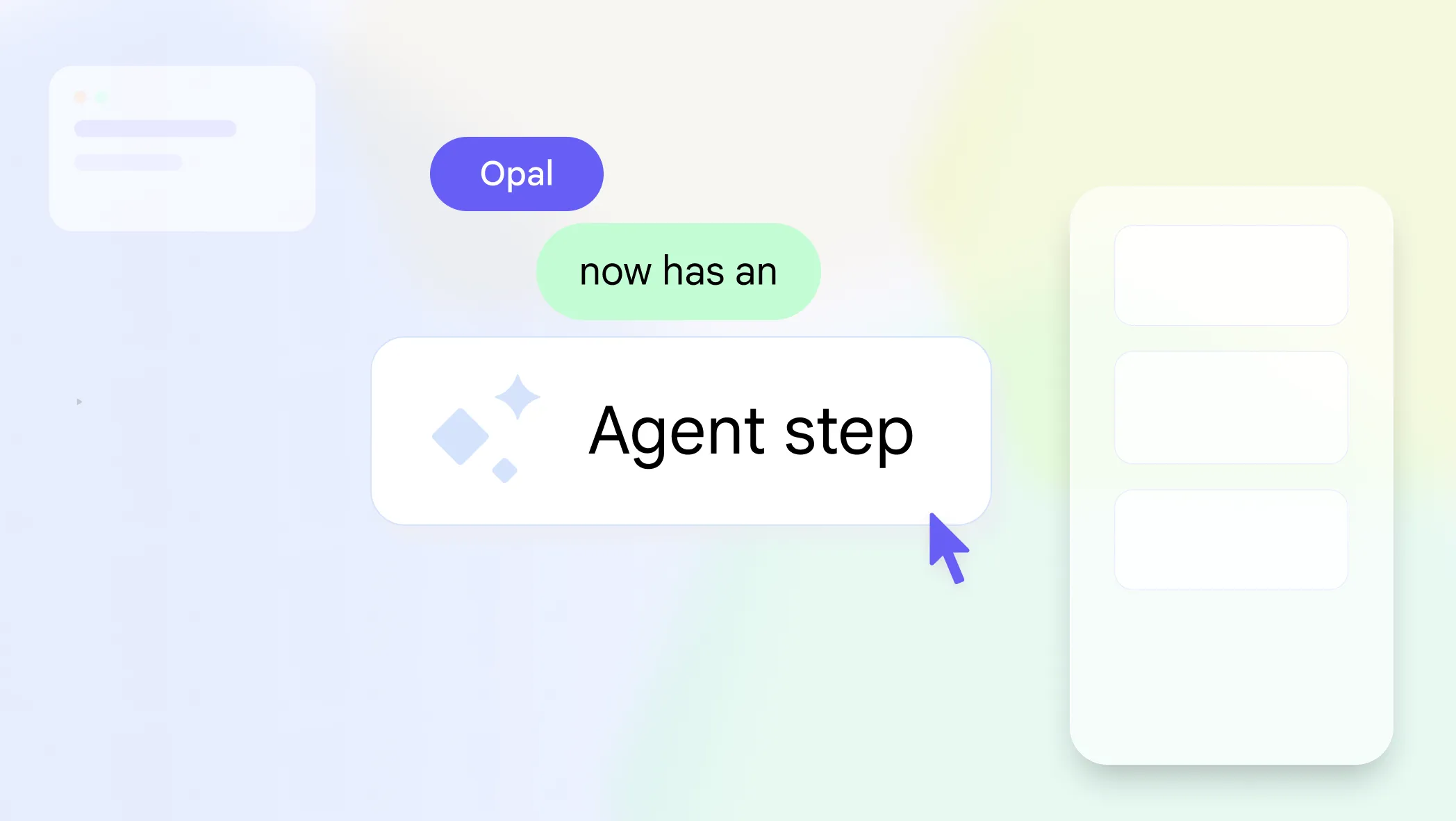
Google said Tuesday it’s adding a new automated workflow agent to its vibe-coding app Opal, allowing users to build mini-apps that can plan and execute tasks using simple text prompts. The feature runs on the Gemini 3 Flash model and is designed to automatically select the tools needed to complete a task, marking Google’s latest push to make AI-powered app creation more accessible to non-technical users.

The new agent doesn’t just follow instructions — it plans next steps on its own. For example, it can use Google Sheets to store memory across sessions, such as maintaining a shopping list for an e-commerce-style app. If it needs more information to complete a task, the agent can ask users follow-up questions or present options to guide the workflow forward. Google says this interactive design allows people without coding experience to build more complex, multi-step processes inside their apps.

Opal itself has steadily expanded since its debut. Google first launched the tool to U.S. users in July 2025, enabling anyone to create or remix mini web apps. In October 2025, the company rolled it out to 15 additional countries, including Canada, India, Japan, South Korea, Vietnam, Indonesia, Brazil, and Singapore. In December, Opal was integrated into the Gemini web app, giving users a visual editor to build custom apps without writing code.

The new workflow agent builds on that no-code foundation. Rather than requiring users to manually connect services or script logic, the system determines which tools to use and manages execution behind the scenes. The integration with Google Sheets highlights how the agent can rely on familiar Google services to maintain continuity and data across sessions.

Google isn’t alone in chasing this market. Startups such as Lovable and Replit have gained traction by letting users build apps through natural language prompts. Other players — including Wabi, founded by a former Replika founder, SoftBank- and Lightspeed-backed Emergent, and Accel-backed Rocket.new — are also competing to simplify AI-powered app creation.

By embedding a planning agent directly into Opal, Google is positioning the product as more than a simple app builder. The company is aiming to make automated workflows a native part of the mini-app experience, lowering the technical barrier while leaning on Gemini’s capabilities to handle execution and tool selection. Whether that approach resonates with users will likely determine how far Opal can go in a rapidly growing no-code AI market.

This analysis is based on reporting from TechCrunch.

Images courtesy of Google.

This article was generated with AI assistance and reviewed for accuracy and quality.

Last updated: February 24th, 2026

About this article: This article was generated with AI assistance and reviewed by our editorial team to ensure it follows our editorial standards for accuracy and independence. We maintain strict fact-checking protocols and cite all sources.

Word count: 422Reading time: 0 minutesLast fact-check: February 24th, 2026

AI Tools for this Article

Trending Now

📧 Stay Updated

Get the latest AI news delivered to your inbox every morning.

Browse All Articles
Share this article:
Next Article