OpenAI says the goal is to help developers start tasks faster and move between devices more easily. Codex can be used from a computer, a phone or in the cloud, allowing work to continue without rebuilding the same environment each time.
The company also overhauled the Codex CLI. Developers can now launch and steer tasks using voice, while a new /agents view lets them delegate work and monitor several tasks at once.
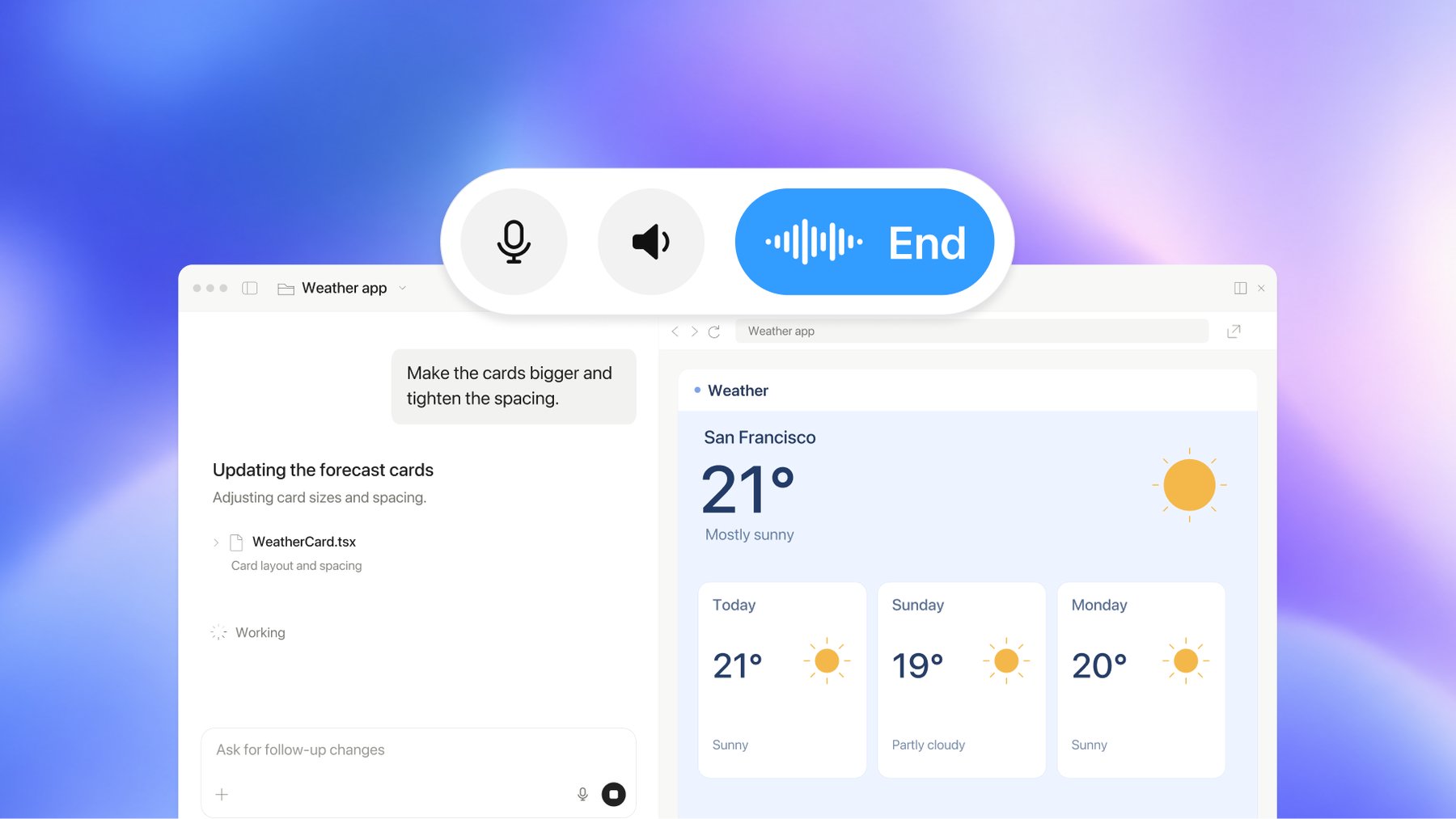
Other CLI changes include improvements to prompt editing, session resumption, Git worktrees and the terminal interface.
OpenAI is also bringing more of the review process into the ChatGPT desktop app. A new code review view lets developers inspect summaries and diffs across multiple projects and ask Codex about potential issues before responding to GitHub pull requests or GitLab merge requests.
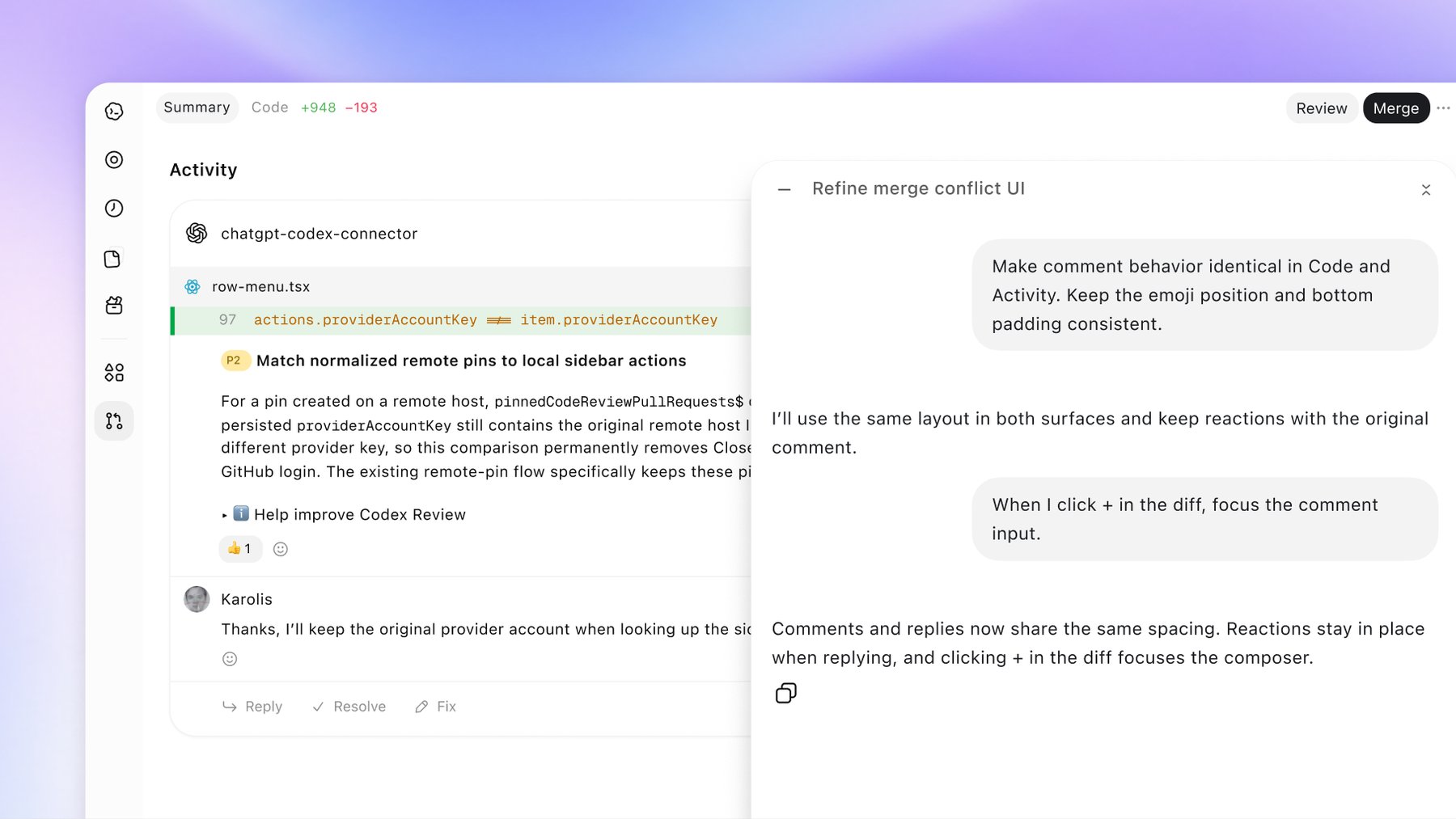
Automatic reviews can run in the cloud while the developer is away, giving Codex a chance to perform an initial pass before a person returns to the work.
Security is another major part of the release. Codex Security Cloud can scan full GitHub repositories on demand, on a schedule or after new commits. The system investigates findings, removes duplicates and prepares possible fixes in the cloud.
That work can continue even when a developer’s laptop is closed.
OpenAI is not presenting those fixes as automatically approved changes. Developers still decide whether to use the recommendations Codex prepares.
Security Cloud users also get access to models from OpenAI’s Daybreak Blue cybersecurity initiative without having to apply separately. The tool is aimed at tasks such as identifying vulnerabilities and helping security teams investigate them.
OpenAI says Codex Security Cloud is available on Pro, Business, Enterprise and Edu plans through desktop and web. The broader code review feature and refreshed CLI are available across all plans.
The reusable environments extend a capability Codex already had. The assistant could previously run tasks remotely in the cloud, but the new setup is designed to make those environments persistent and configurable for teams rather than temporary for each job.
Taken together, the changes give Codex a larger role across the development cycle. It can now keep a configured workspace ready, handle multiple tasks in parallel, support code review and continue security analysis after the developer has stepped away.
The result is a version of Codex built less around isolated coding requests and more around ongoing development work that can move between devices and continue in the cloud.
This analysis is based on reporting from the decorder.
Images courtesy of OpenAI.
This article was generated with AI assistance and reviewed for accuracy and quality.
