Once approved, the agent receives a limited-use payment method—either a single-use card or a Shared Payment Token—that can be scoped by amount, currency, and merchant. The user can track activity and manage connected agents through Link’s web interface or mobile apps. Stripe said future updates will allow users to define spending limits and approve certain transactions automatically.
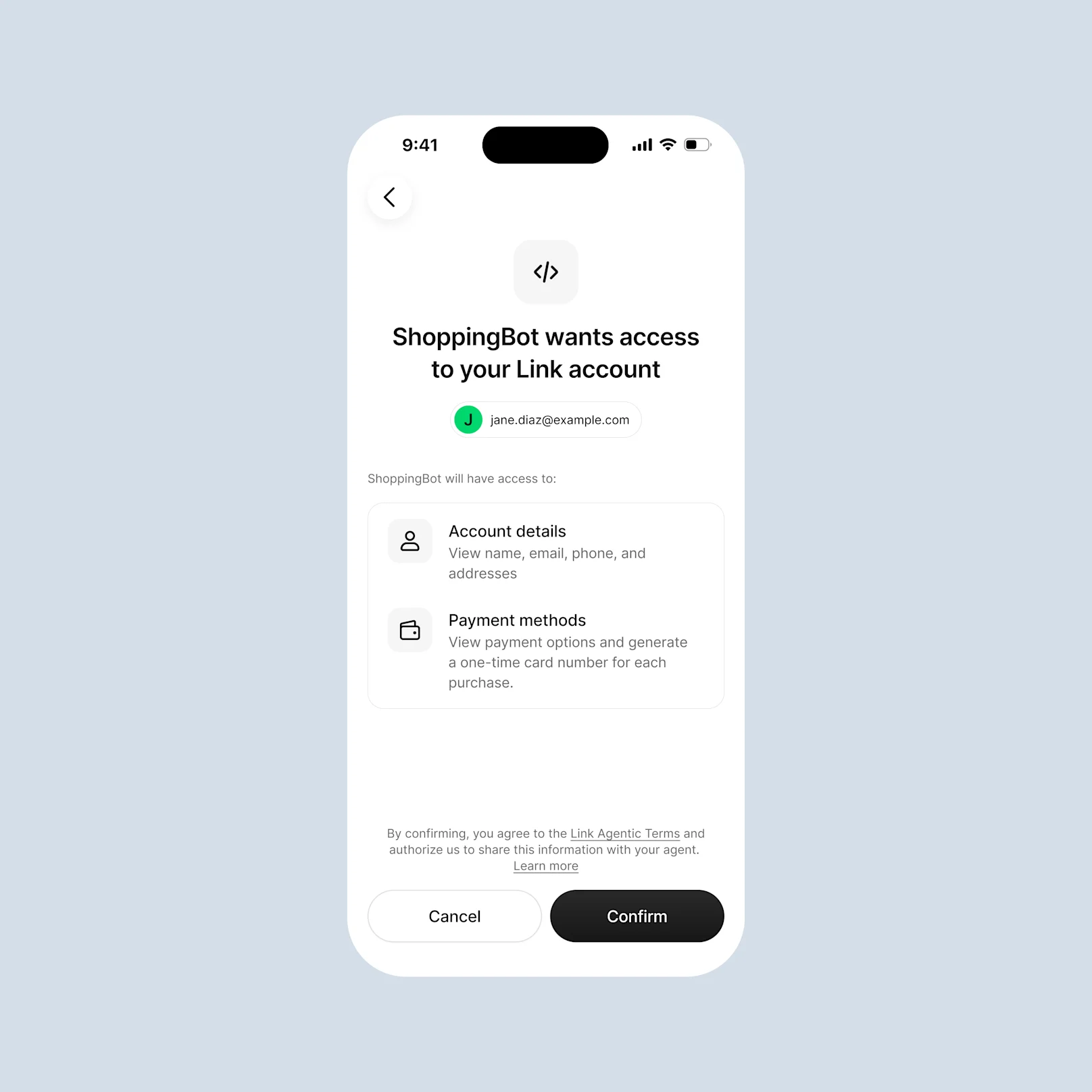
The release targets developers building consumer-facing AI tools, such as personal assistants or shopping agents. By handling wallet infrastructure, payment routing, and fund flows, Link removes the need for companies to build those systems independently while providing access to more than 200 million existing Link users.
Stripe also introduced Issuing for agents as a broader toolkit for businesses that want to create their own agent-based payment systems. The platform includes APIs for issuing virtual cards, setting permissions, monitoring transactions, and applying fraud controls. It supports use cases such as automating business expenses, managing real-time spending in fintech apps, and enabling marketplace sellers to delegate payments to software agents.
The new tools reflect Stripe’s effort to adapt existing payment systems to work with AI agents, allowing them to transact within current consumer and merchant frameworks rather than relying on emerging machine-native payment protocols.
This analysis is based on reporting from stripe.
Images courtesy of Stripe.
This article was generated with AI assistance and reviewed for accuracy and quality.
