“Your dot can take a project and run with it, even while it’s working on several others,” OpenAI said. “You can keep bringing it new tasks and ideas without having to juggle separate threads or direct every step.”
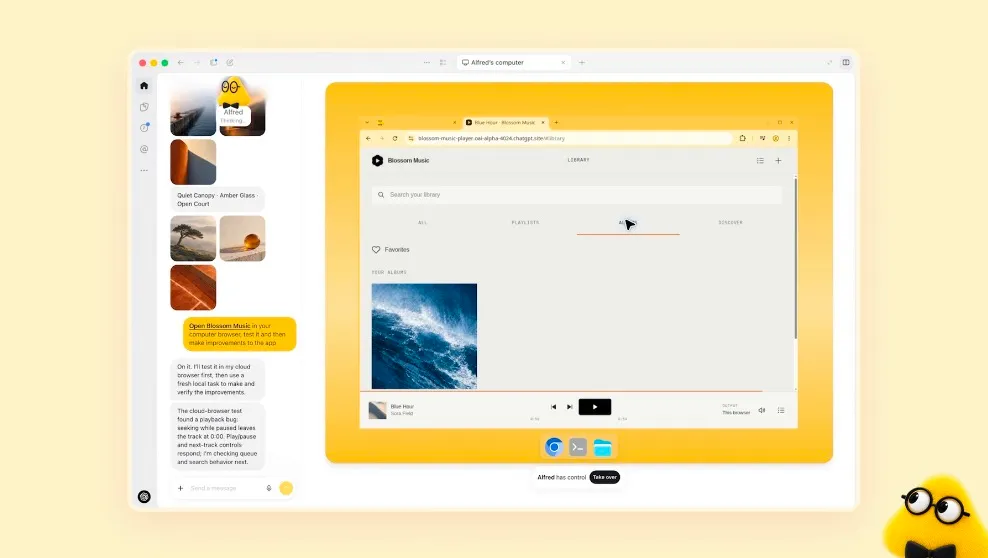
Dots can be reached through ChatGPT and can also work through Slack and Microsoft Teams. OpenAI says users can ask questions, give feedback or hand over tasks without needing to stay inside a single chat thread.
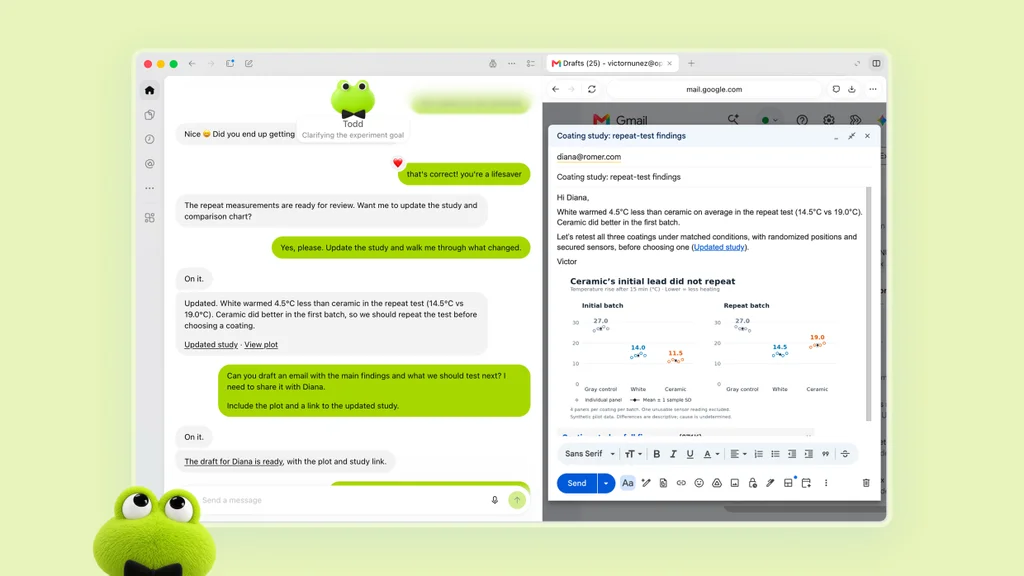
The company gave several examples of how the agents could work. A developer could ask a Dot to monitor customer feedback, identify recurring requests, prepare small bug fixes and test them before sending the work back for review. A scientist could have one investigate unexpected research results, while a content creator could use it to scan interview transcripts and surface promising clips.
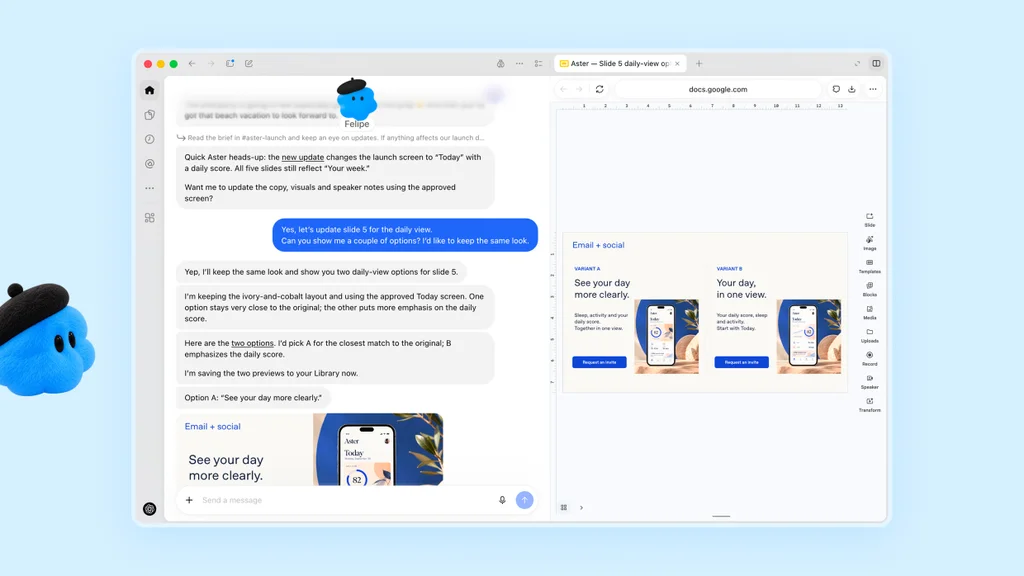
In another example, OpenAI said a Dot could detect a software bug notification in Slack and begin investigating it. An early tester’s Dot reportedly noticed that an invoice had not been submitted, prepared it and then sent it after receiving approval.
The agents are meant to handle both ongoing and event-driven work. Users can ask a Dot to keep track of projects, update schedules or manage tasks that would otherwise require repeated manual follow-up.
OpenAI says the long-term vision goes beyond a single assistant. Users will initially have one primary Dot, but the company expects people could eventually work with multiple Dots that operate together as a team.
The company has also given the agents distinct character designs. Examples include a frog, a heart wearing sunglasses and a cloud-like character, along with other playful forms such as a bow-tied triangle and a bunny wearing headphones.
Dots arrive as AI companies are building agents that can act more independently across software and online services. OpenAI has recently disclosed incidents in which AI systems behaved outside their intended boundaries during training and evaluation, making authorization and control an important part of how these agents are deployed.
OpenAI CEO Sam Altman has also publicly discussed the risks of increasingly capable AI systems and the need for safeguards around their development.
Dots will roll out to Pro, Business Premium and Enterprise users in available markets. OpenAI is positioning them primarily around work and professional use, with integrations intended to let the agents operate across the tools businesses already rely on.
The launch was one of more than 20 announcements made at DevDay and came alongside other OpenAI releases, including GPT-6.1 Sol. But Dots represents one of the company’s clearest attempts yet to move ChatGPT beyond answering individual requests and toward AI agents that can remain active, monitor work and carry projects forward over time.
This analysis is based on reporting from OpenAI & Yahoo Finance.
Images courtesy of OpenAI.
This article was generated with AI assistance and reviewed for accuracy and quality.
