The company behind the product, Palo Alto-based The Interaction Company of California, says the shift toward a broader assistant came after users of its earlier email-focused tool began asking it to handle a much wider range of tasks. “What we noticed there was that people wanted to use Poke for everything,” co-founder Marvin von Hagen told TechCrunch. “Even though it was only meant for email, people started asking Poke to remind them to take their medication.”
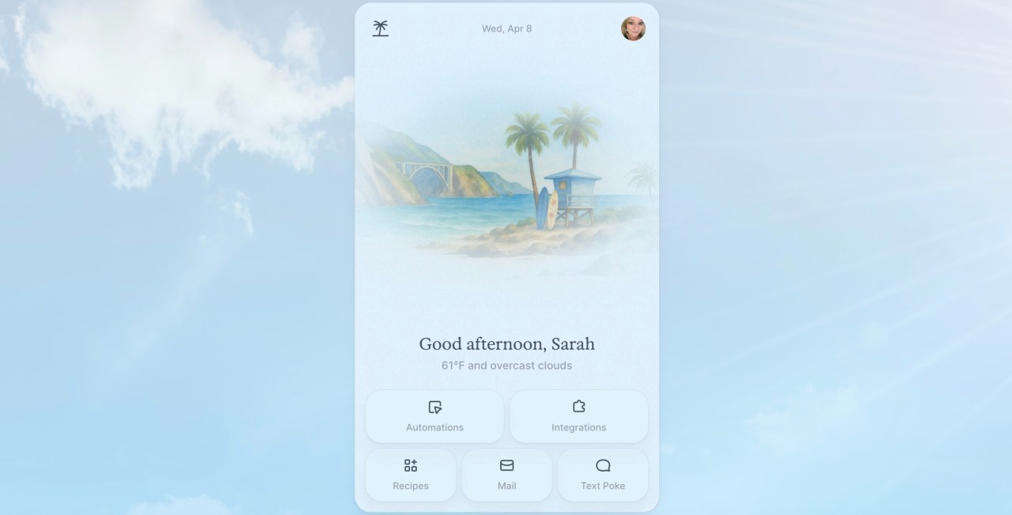
That behavior pushed the startup to expand the product beyond inbox management and turn it into a more general-purpose agent. The result is a service aimed at users who want something done quickly or want to automate recurring tasks, rather than a chatbot built mainly for answering questions or doing research.
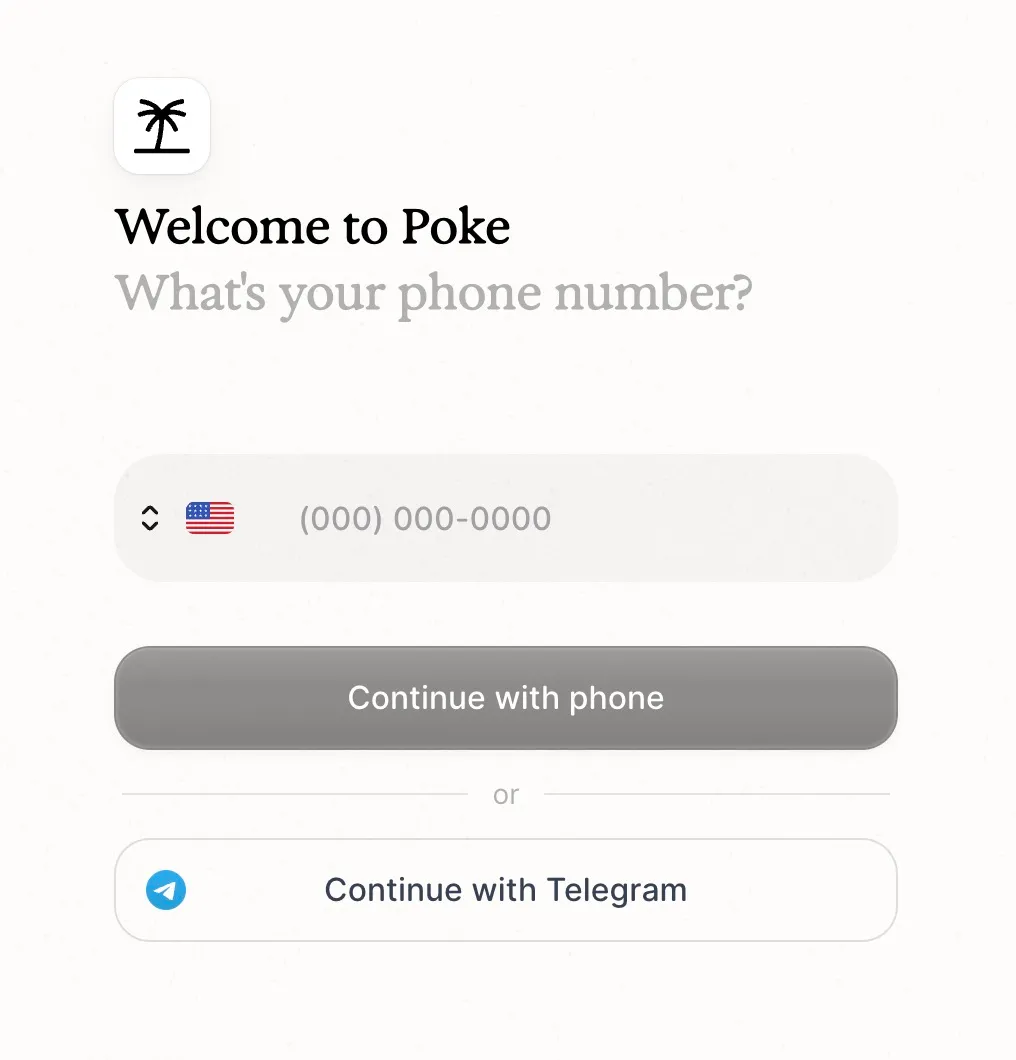
The onboarding process reflects that positioning. Users sign up on Poke’s website with a phone number, and the assistant runs over messaging rather than through a downloadable app. The company is betting that reducing setup friction will make agent-based software more approachable for people who are unlikely to install developer tools or troubleshoot technical issues tied to more advanced systems.
Under the hood, Poke routes tasks to the model best suited for the job, using a mix of major commercial models and open-source alternatives. Von Hagen said that flexibility could become an advantage over products tied to a single model provider. “I think this is also one of our main strengths in the long run,” he said, arguing that many rivals are limited by dependence on one AI stack.
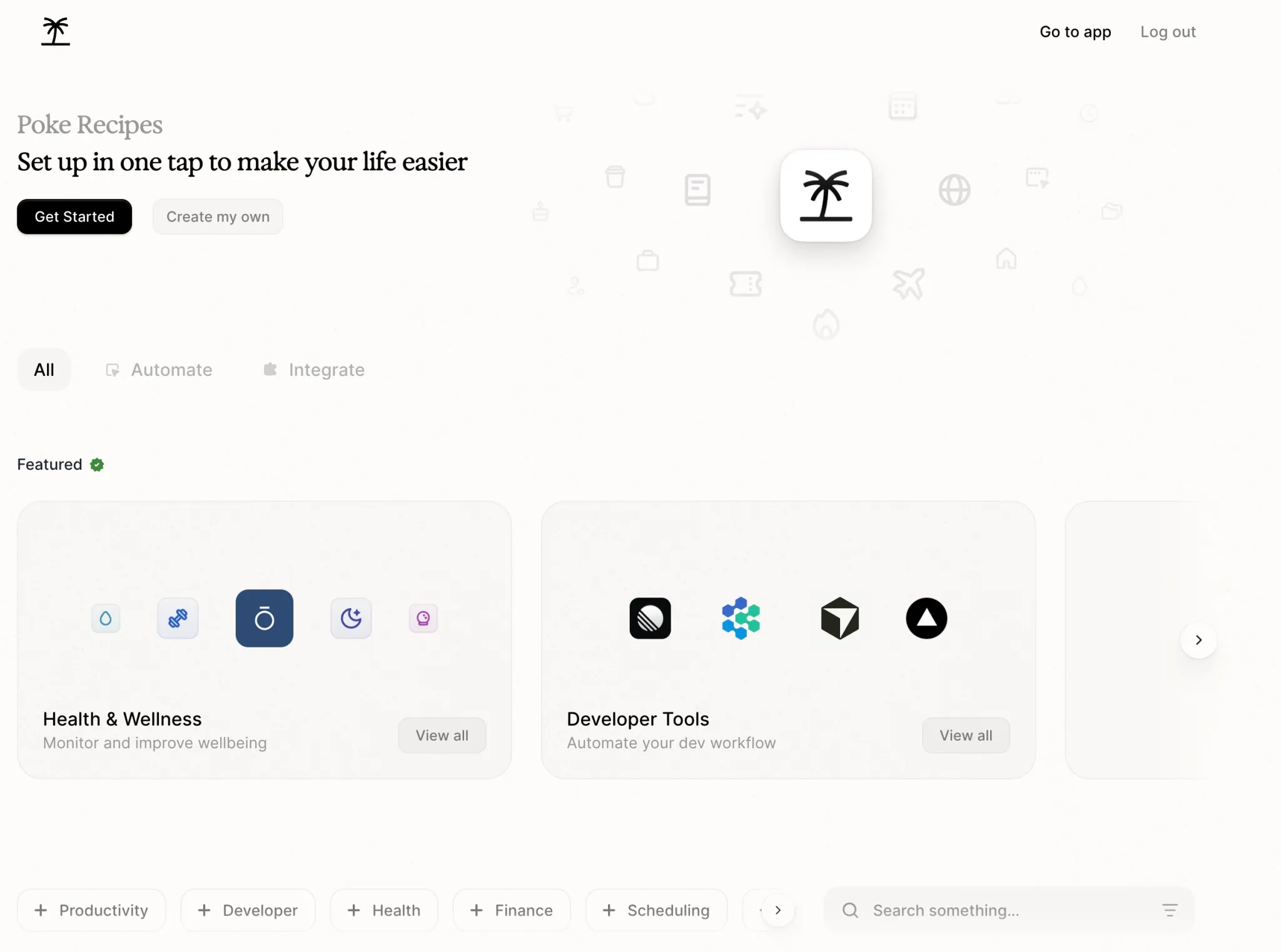
Poke also leans on a growing ecosystem of integrations. At launch, it offers prebuilt “recipes” for categories including productivity, health, finance, scheduling, travel, home, school and developer workflows. These automations connect to services such as Gmail, Google Calendar, Outlook, Notion, Linear, Granola, Strava, Oura, Fitbit, Philips Hue, Sonos, GitHub, Supabase, Vercel and Sentry. Users can also write their own automations in plain text and share them with others.
The company says adoption has accelerated in recent months, though it is not disclosing total user numbers. It did say signups have increased tenfold over the past couple of months. Poke has also added $10 million in new funding on top of a $15 million seed round last year, bringing its post-money valuation to $300 million.
The timing comes as interest in agentic AI systems continues to climb. But while more powerful agent tools have attracted attention, they often remain inaccessible to nontechnical users. Poke is targeting that gap by offering a simpler interface and a lower-friction setup, while still trying to capture the appeal of software that can operate proactively on a user’s behalf.
WhatsApp remains a partial exception. Von Hagen said Meta’s restrictions on general-purpose chatbots have limited support there, although Poke is available in Brazil and the company hopes regulatory pressure in markets such as the EU will eventually improve access.
The startup is also trying to build a creator loop around its automation system. It plans to expand discovery for user-made recipes and says it will pay creators between 10 cents and a dollar, depending on geography, for each person who signs up for Poke through a shared recipe.
Pricing is flexible. The service is free to start, and the company says cost depends on how resource-intensive a user’s automations are. Requests that do not require real-time inference may remain free, while more demanding functions, such as monitoring every incoming email or running real-time flight check-ins, are priced based on their cost to the company.
For now, the focus is growth rather than margins. “We really don’t want to make money, but we really want to grow,” von Hagen said. “We want to build a product for a billion people and monetization is really secondary.”
Poke’s broader argument is that AI agents do not need a new device, a new interface, or a developer-first workflow to gain traction. By placing automation inside the apps people already use to message friends and family, the company is making the case that the most practical version of agentic AI may look a lot less like a futuristic platform and a lot more like a text thread.
This analysis is based on reporting from TechCrunch.
Images courtesy of Poke/The Interaction Company of California.
This article was generated with AI assistance and reviewed for accuracy and quality.
