Workbench includes features such as high-resolution streaming, multiple input methods—including keyboard, touch, Apple Pencil, and voice—and the ability to switch between multiple connected machines. The product also uses Astropad’s LIQUID display protocol, which the company says preserves visual clarity even at Retina resolution.
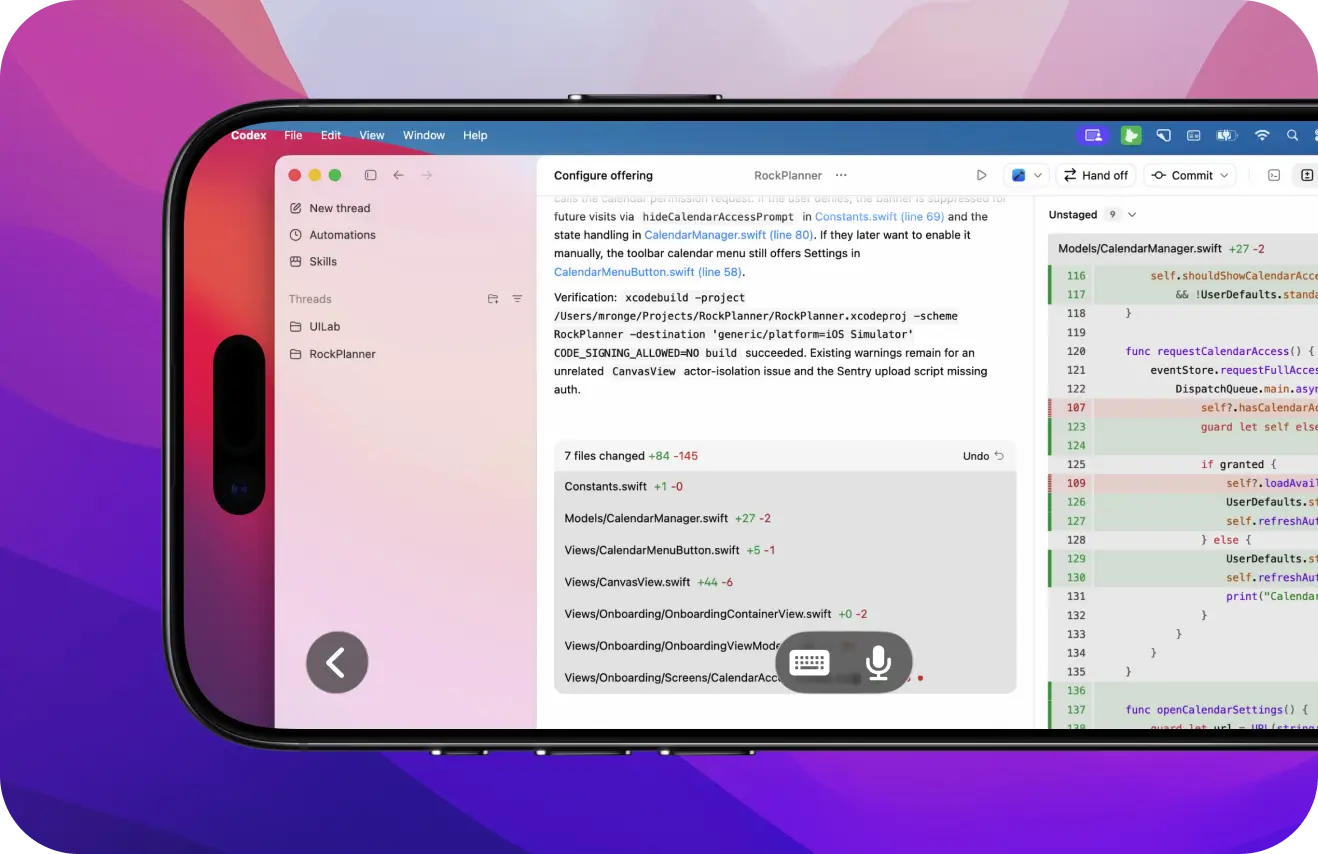
Ronge said the tool was developed to address gaps in existing remote desktop software when applied to AI use cases. “There’s not a great way to do this…there were existing remote desktop tools, but nothing built specifically for this,” he said. “There have also been ways where you can use a terminal, or there are things like Telegram chats, but they’re limited.”
The product also integrates Apple’s voice model, enabling users to issue commands to their AI systems through spoken prompts. Ronge described voice interaction as a more natural way to manage agents compared with traditional enterprise-focused remote desktop tools.
Astropad said the rise of AI agents running on local hardware, particularly Mac Minis, helped shape the product’s direction. These setups often operate without a monitor, requiring users to connect remotely to observe or intervene in tasks.
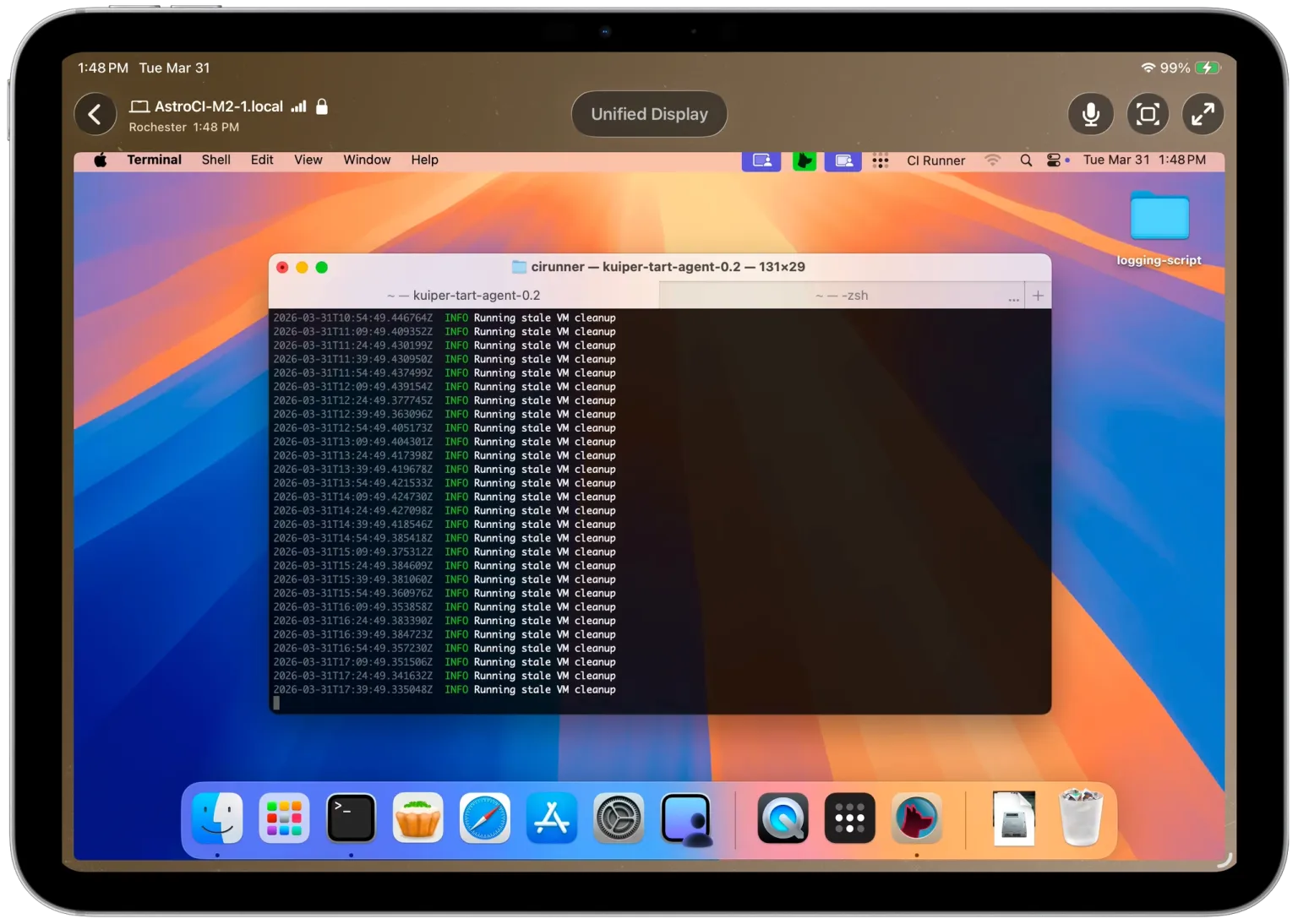
Workbench enters a crowded remote desktop market that includes tools like Jump Desktop, AnyDesk, and VNC-based solutions. Astropad’s approach focuses on adapting the category to AI-driven workflows rather than general-purpose remote access.
The app is available as a free download with limited daily usage, with paid plans offering extended access. It currently supports macOS 15 and iOS 26, with Windows and Linux compatibility planned.
With Workbench, Astropad is targeting both individual developers and businesses as managing AI agents becomes a more common use case for remote computing tools.
This analysis is based on reporting from TechCrunch.
Images courtesy of Astropad.
This article was generated with AI assistance and reviewed for accuracy and quality.
