Android 17 has begun rolling out to Pixel devices, introducing a range of new productivity, entertainment, security and safety features, with availability expanding to other eligible Android devices throughout 2026. Google also said select advanced devices will receive Gemini Intelligence later this summer, adding proactive assistance capabilities designed to help users manage tasks throughout the day.
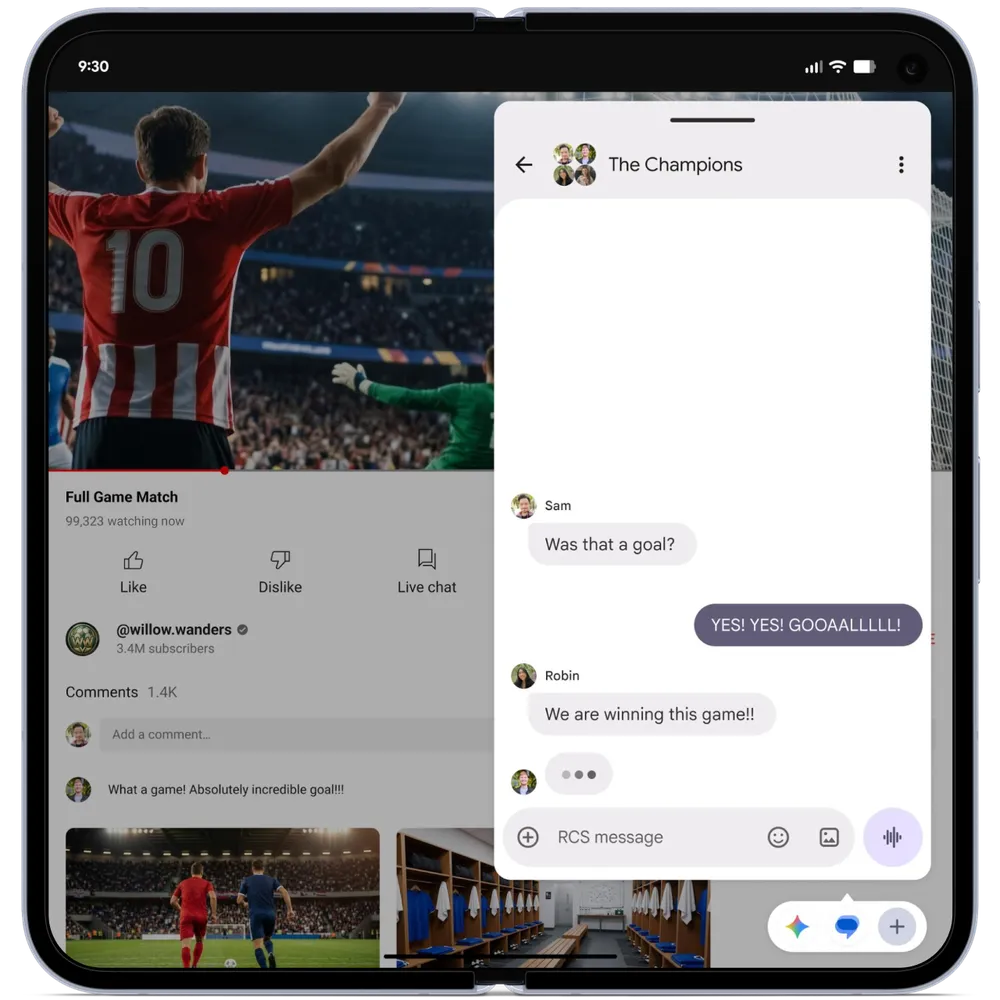
Among the headline additions is Bubbles, a multitasking feature that turns apps into floating windows that remain accessible above other applications. Users can activate the feature by long-pressing an app icon, allowing quick access to content without leaving their current task. On larger-screen devices, bubbles are organized within a dedicated bar at the bottom of the display, making it easier to switch between apps, resize windows or expand them to full-screen mode.
Google is also updating screen recording and annotation tools with a redesigned workflow and a new Screen Reactions feature. The capability allows users to record themselves with the front-facing camera while simultaneously capturing on-screen activity. The company says the feature makes it easier to add commentary and reactions to websites, apps and videos without moving between multiple applications.
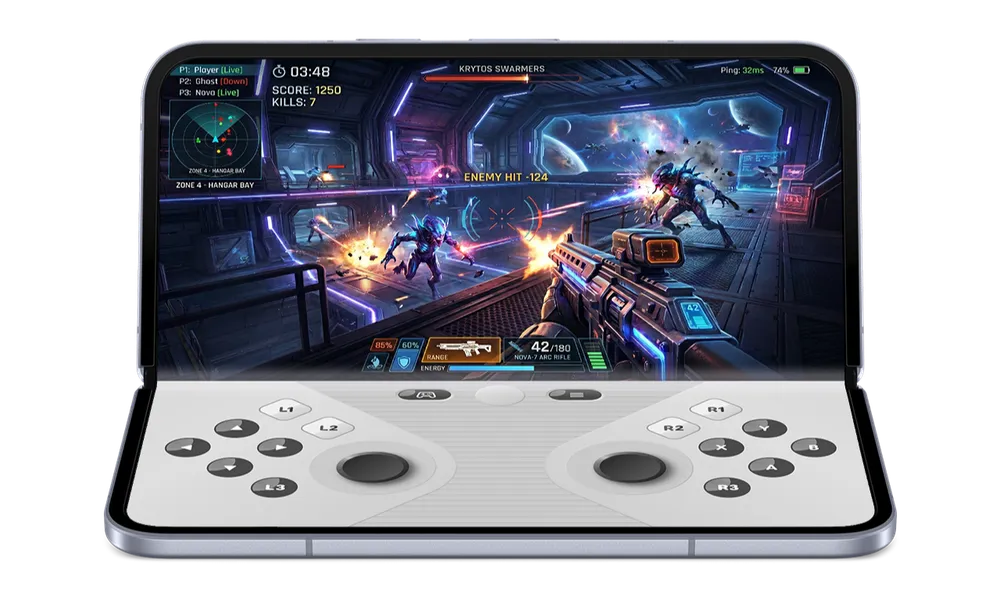
Gaming receives attention in Android 17 through a new foldable gaming mode aimed at making better use of foldable device displays. The mode introduces a split-screen layout that places gameplay on the upper portion of the screen and a dynamic gamepad below. Google said the feature is enabled in Android 17 and will become available in the coming months. The update also adds native controller remapping support for users with external controllers and includes memory management improvements intended to reduce frame drops and stuttering during high-definition gaming.
The release also expands user control over privacy and device security. Android 17 introduces temporary precise-location permissions, allowing apps to access a user’s exact location for a limited period. Users can also choose individual contacts to share with apps rather than granting access to their entire address book.
Google has enhanced its Find Hub service with an updated “Mark as lost” feature that lets users lock a missing device using biometrics. According to the company, the change is designed to prevent unauthorized access and stop tracking from being disabled, even if someone has obtained the device passcode.
Additional security measures include upgrades to Live Threat Detection and Advanced Protection mode. Google said the changes improve defenses against suspicious applications, scams and more sophisticated threats. The company has also tightened protections against unauthorized device access by limiting PIN guess attempts and increasing wait times after repeated failures.
Android 17 includes several other additions, including an option to hide app names on the home screen, broader availability of Parental Controls across Android devices, a dedicated volume control for assistants and expanded customization options for the dark theme. At the system level, the update introduces app memory limits designed to prevent applications from consuming excessive RAM, a change Google says will help improve overall device performance and battery life.
About this article: This article was generated with AI assistance and reviewed by our editorial team to ensure it follows our editorial standards for accuracy and independence. We maintain strict fact-checking protocols and cite all sources.
Word count: 517Reading time: 0 minutes
Explore More AI Resources
Continue with high-value guides related to this topic.
Join thousands of weekly readers — the latest AI news, free in your inbox.
🤖 3 times a week📊 Industry analysis💡 Breaking news
Enjoying this article?
Get a free month of ChatAI Plus or Pro
🎁 Limited time offer
🔒 Once per user
ChatAI Plus & Pro unlock multi-model chat (GPT, Claude, Gemini & more), our productivity tools, and ad-free reading. Subscribe to our newsletter and take a 2-minute survey to claim one month free — no strings attached.