The startup is entering a growing market of AI-assisted bookmarking and organization tools. While services such as mymind, Fabric, and Raindrop help users save and manage links and content from across the web, Pool focuses specifically on screenshots and uses AI to help users find, understand, and revisit items they intended to return to later.
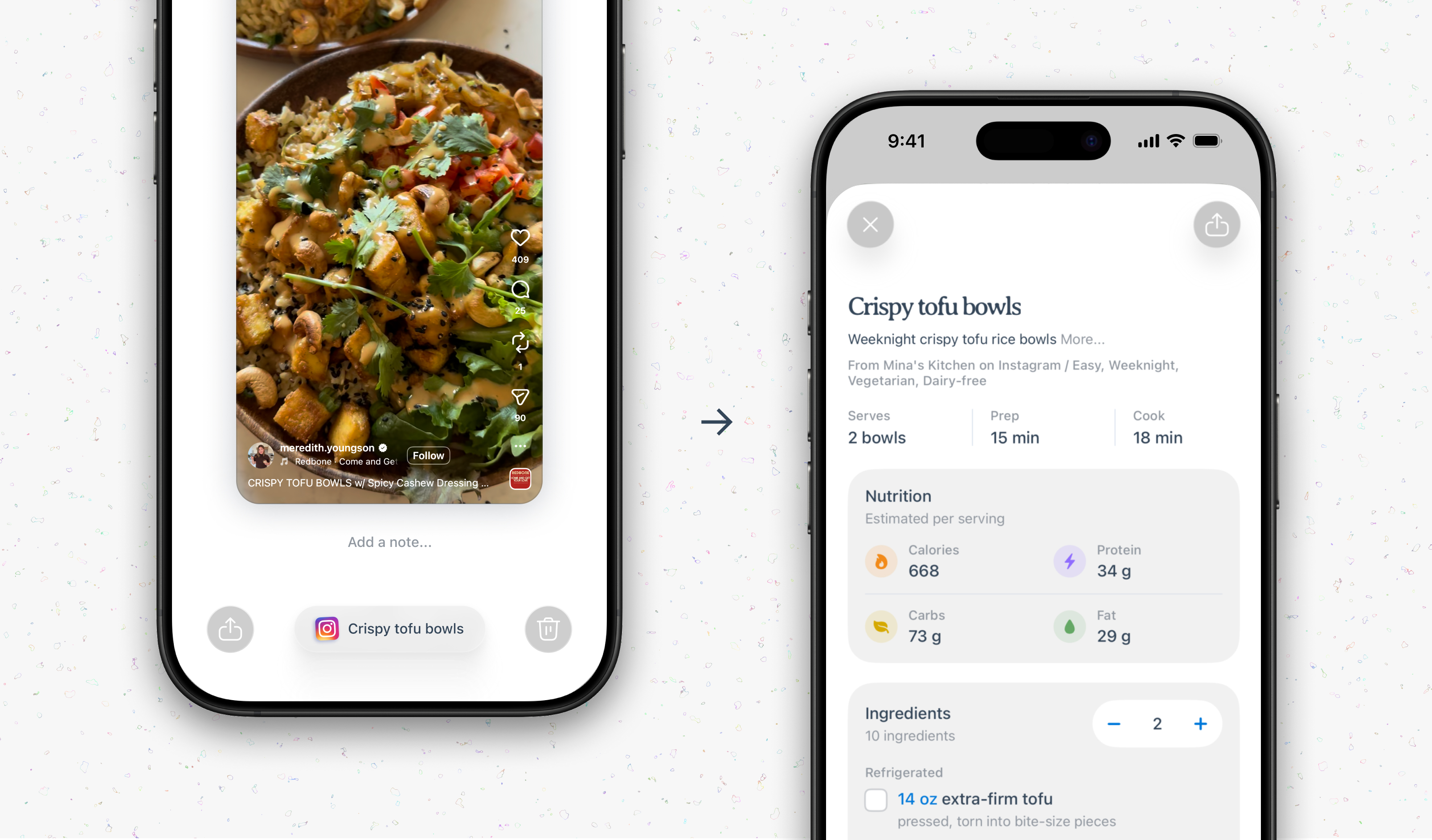
One of the app’s key features is its ability to reconnect screenshots with their original online sources. A saved product image can lead users back to the retailer’s website, while a screenshot of a recipe shared on social media can surface the original ingredients and instructions.
The idea emerged from a problem co-founders Maxime Junique and Piet Terheyden encountered themselves. Both found that screenshots were becoming a catchall repository for things they wanted to remember but rarely revisited.
“It sounds pretty obvious, right now, when we say it, but it’s something that we do so naturally — you don’t notice it, necessarily,” Junique said.
Pool was originally developed about three years ago as the first project from the founders’ product and design firm, Spinoff Studio. The team built an early version in Lisbon but later shifted its attention to B2B SaaS products. One of those projects, CRM platform Waitless, was acquired last year.
Advances in artificial intelligence ultimately prompted the founders to revisit the concept. According to Junique, improvements in AI made it possible to extract useful information from large collections of personal screenshots that would have previously been difficult to organize and interpret.
“We were like, it seems like a perfect time to go after this idea,” Junique told TechCrunch. “And it also seemed to us like it’s a super untapped, unexplored data set for AI. Everyone goes after emails, bank transactions, chat logs — all of those productivity-first datasets. Who is going after this really, deeply emotional data set we all own?”
Pool also treats screenshots differently depending on their relevance over time. Images tied to one-time events, such as ticket barcodes, can fade from prominence after they are no longer useful, while screenshots promoting upcoming events can be enhanced with AI-generated assistance that helps users find tickets and related information.
Users can search their saved content directly or ask Pool’s built-in AI assistant to locate information on their behalf.
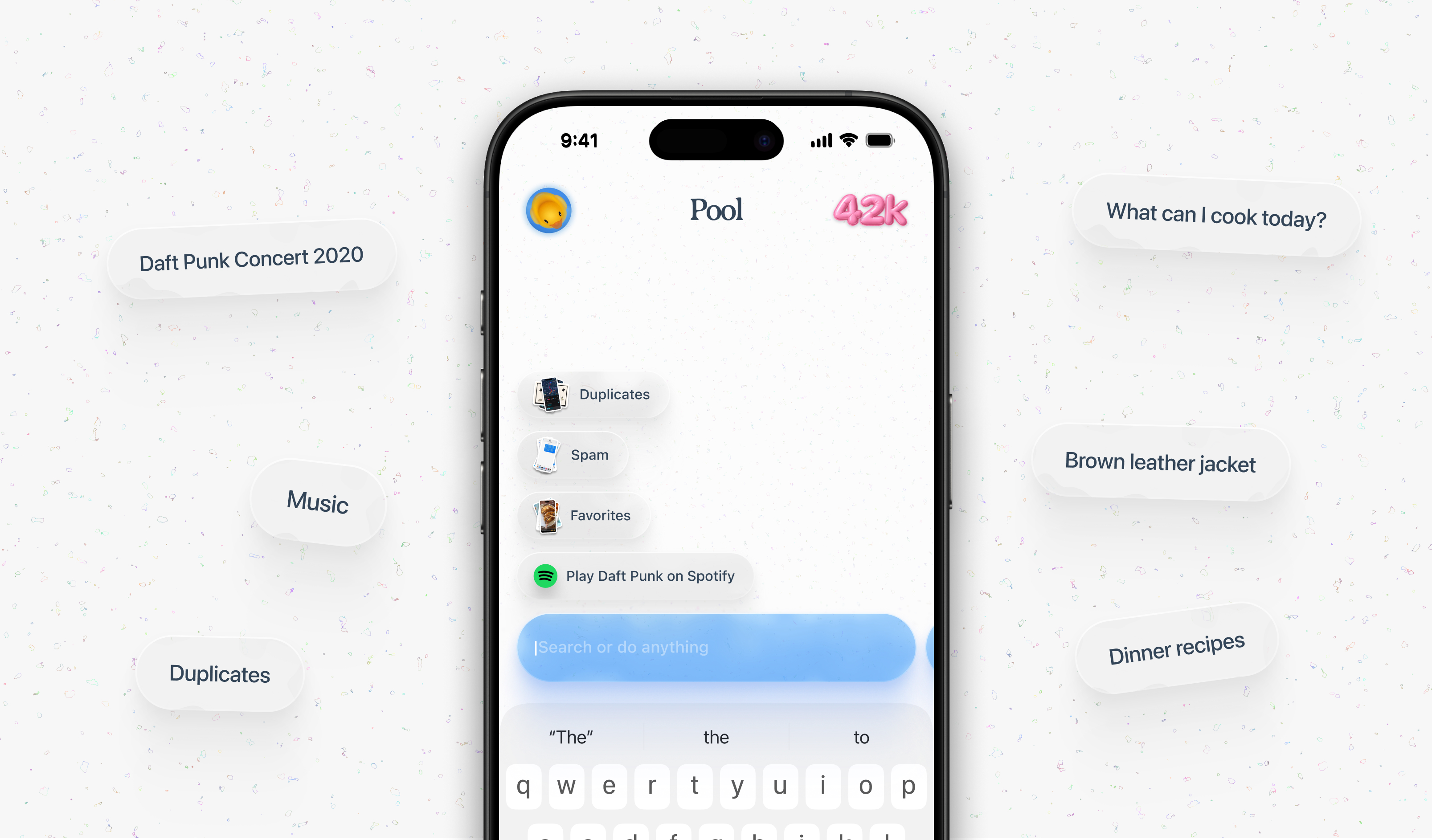
The company is already planning a second product built around a more agentic AI experience. The app’s rubber duck mascot, currently used as part of Pool’s interface, is expected to become a central element of that future personal assistant product.
Pool previously raised a pre-seed round of more than $2 million from General Catalyst, Kima Ventures, Source Ventures, and a group of angel investors that includes Winston Du, Julian Blessin, and Thomas Ricouard.
This analysis is based on reporting from TechCrunch.
Images courtesy of Pool.
This article was generated with AI assistance and reviewed for accuracy and quality.
