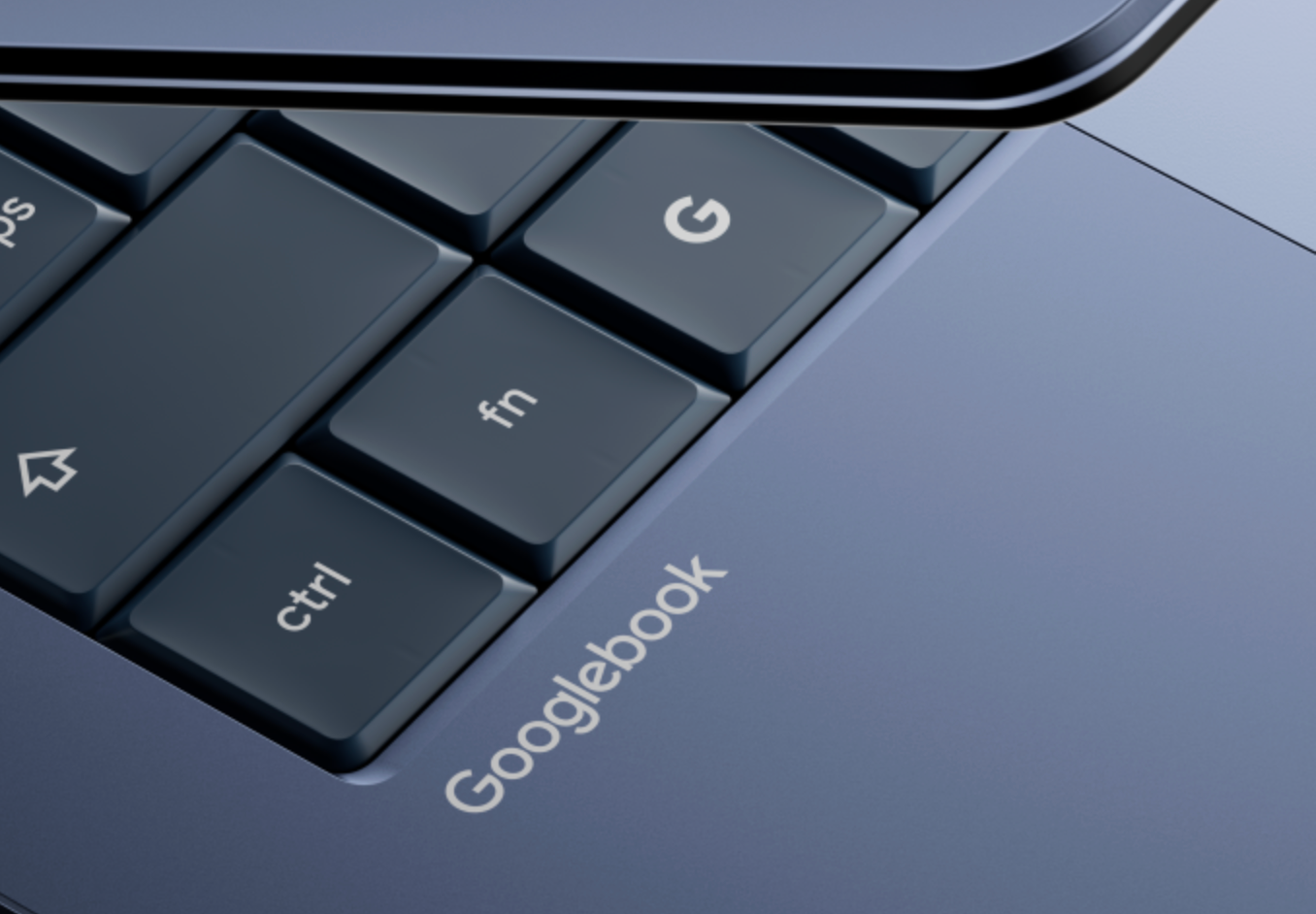
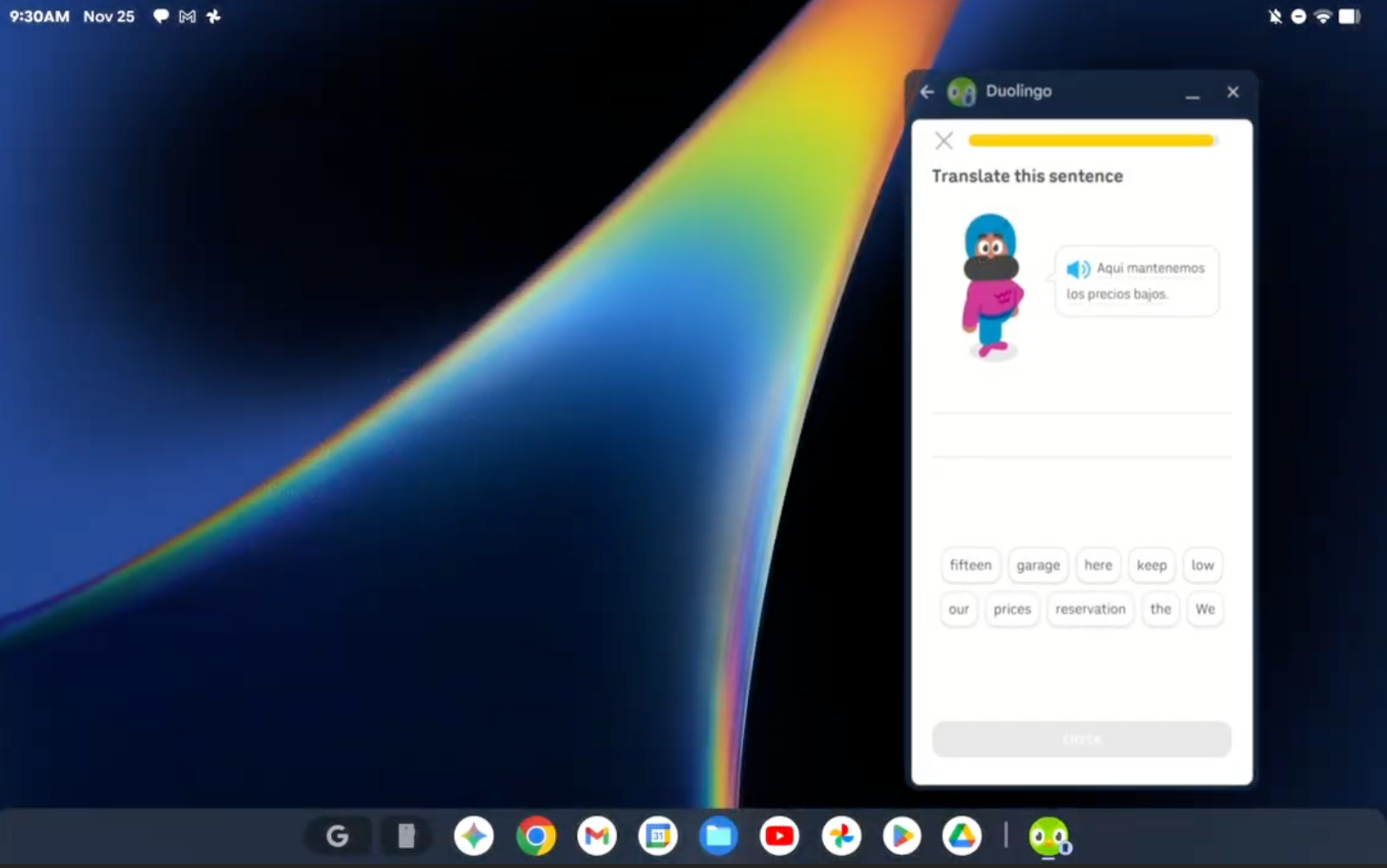
Google on Tuesday unveiled Googlebook, a new laptop category built around its Gemini AI models and designed to replace the traditional Chromebook experience with what the company describes as an “intelligence system.” The laptops, which are set to launch this fall through partners including Acer, Asus, Dell, HP, and Lenovo, combine Android-based software with ChromeOS features and place Gemini at the center of the user experience.
The announcement marks one of Google’s clearest moves yet toward building AI-native consumer hardware and software together rather than layering AI features onto existing products. Google says Googlebook was designed “from the ground up” around Gemini to provide proactive assistance directly throughout the operating system.
One of the headline features is Magic Pointer, a new AI-powered cursor developed with Google DeepMind. Instead of functioning only as a navigation tool, the cursor surfaces contextual Gemini actions depending on what is on screen. Users can point at a date in an email to create a meeting or select two images, such as a living room and a couch, to visualize them together instantly.
“We thought, we can take Gemini Intelligence and make the pointer truly smart and intelligent,” Alexander Kuscher, Google’s senior director of Android tablets and laptops, said during a briefing with reporters. “As you wiggle and you move over the screen, it will tell you what it can interact with, and contextually offer you the actions that you can do … It really exemplifies how we think about AI features throughout Googlebooks. It’s built in, but not in your face.”
Google is also bringing its “Create your Widget” feature to Googlebook, allowing users to generate personalized widgets by prompting Gemini. The system can pull information from Google apps including Gmail and Calendar, as well as the web, to create dashboards tailored to specific events or workflows. Google used the example of planning a family reunion in Berlin, where Gemini could gather flights, hotel reservations, restaurant bookings, and countdown information into a single desktop widget.
Because Googlebook is built partly on the Android technology stack, Google says the laptops are designed to work closely with Android phones and apps. Users will be able to access apps from their phones directly through the laptop experience without switching devices. Google also introduced Quick Access, a feature that allows users to search, view, and insert files stored on their phones directly through the Googlebook file browser without manually transferring content.
The launch also signals a broader transition away from ChromeOS, the browser-centric platform Google introduced with Chromebooks more than 15 years ago. While Google says it will continue supporting existing Chromebook devices through their normal update timelines, the company acknowledged that many Chromebooks may eventually transition to the new Googlebook experience, though it has not shared details on how that process will work.
Googlebook also positions Google more directly against Microsoft’s Copilot+ PC strategy, which has focused on AI-native Windows laptops since 2024. By integrating Gemini throughout the operating system and hardware experience, Google is shifting its laptop platform toward AI-first computing rather than treating AI as a separate application layer.
The company says every Googlebook device will feature premium materials and hardware designs from manufacturing partners, along with a signature “glowbar” element intended to visually distinguish the lineup. Google plans to share additional details later this year ahead of device availability in the fall.
About this article: This article was generated with AI assistance and reviewed by our editorial team to ensure it follows our editorial standards for accuracy and independence. We maintain strict fact-checking protocols and cite all sources.
Word count: 585Reading time: 0 minutes
Explore More AI Resources
Continue with high-value guides related to this topic.
Join thousands of weekly readers — the latest AI news, free in your inbox.
🤖 3 times a week📊 Industry analysis💡 Breaking news
Enjoying this article?
Get a free month of ChatAI Plus or Pro
🎁 Limited time offer
🔒 Once per user
ChatAI Plus & Pro unlock multi-model chat (GPT, Claude, Gemini & more), our productivity tools, and ad-free reading. Subscribe to our newsletter and take a 2-minute survey to claim one month free — no strings attached.