On macOS, Google introduced its first standalone Gemini desktop application, bringing the full set of features from its web version into a native environment. Users can access the app via a shortcut and interact with Gemini for tasks ranging from general queries to more advanced workflows involving file uploads, notebooks, and tools like Deep Research and Canvas. The app also supports image, video, and music generation models.
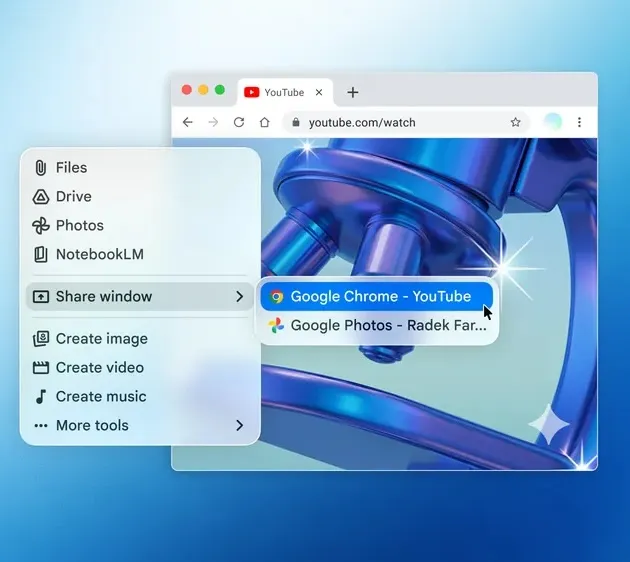
Unlike the Windows search tool, the macOS Gemini app focuses more heavily on AI-driven interactions. It can pull context from open windows and integrates closely with the desktop environment, offering a more direct way to use Gemini without opening a browser.
The release reflects Google’s broader push to expand access points for its AI products as competition intensifies. While search has traditionally been delivered through the browser, the company is now experimenting with dedicated applications that sit closer to the operating system.
The macOS app is not currently distributed through Apple’s App Store, requiring users to download it directly from Google’s website. The company said the app was developed quickly by a small team and will continue to receive updates as more features are added.
Together, the two launches signal a shift in Google’s product strategy, moving key services like search and AI into standalone desktop experiences as it looks to increase usage and engagement across platforms.
This analysis is based on reporting from Ars Technica.
Image courtesy of Google.
This article was generated with AI assistance and reviewed for accuracy and quality.
