Google said the goal is to help users move beyond an initial AI-generated response and continue exploring the web through original sources and deeper reporting. AI responses will now include “Further Exploration” sections that surface related articles, case studies, and specialized analysis tied to different aspects of a topic.
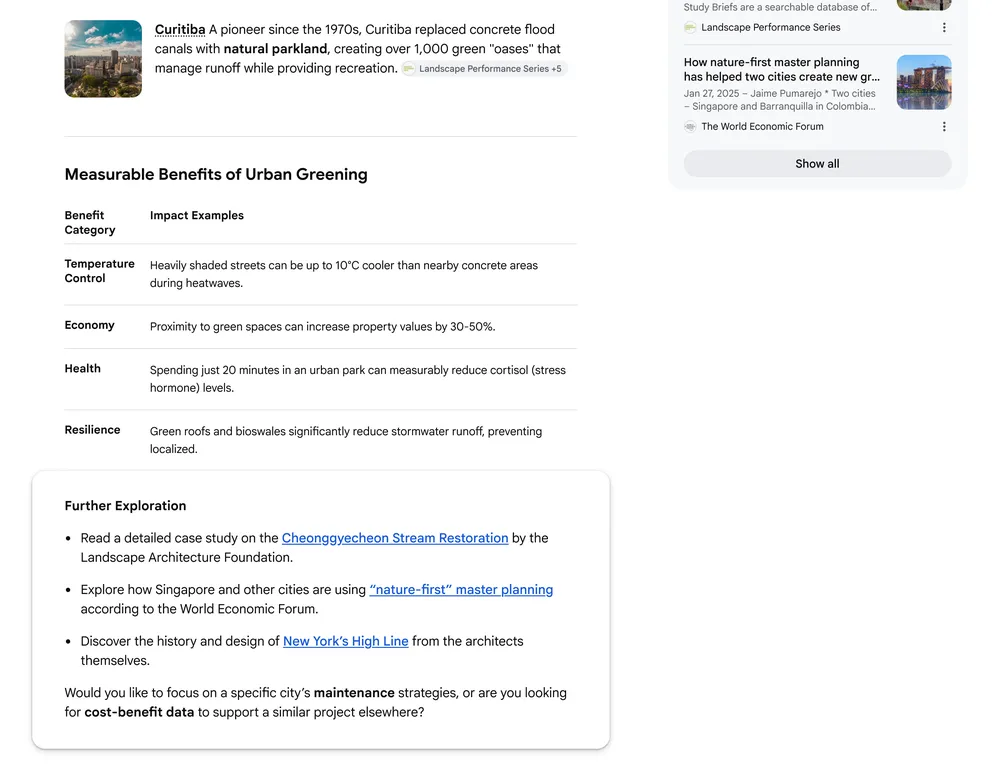
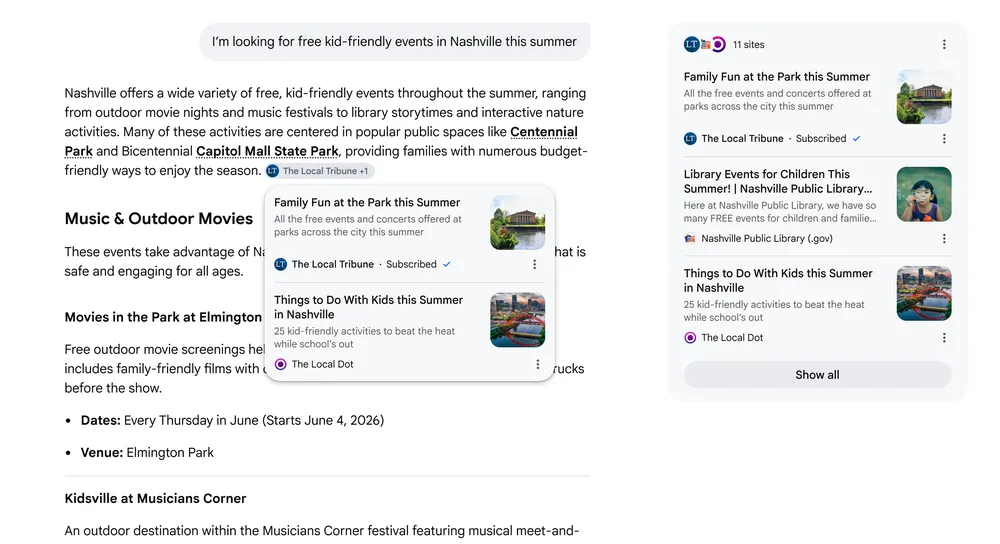
The company is also adding more visibility for subscription-based journalism inside AI results. In AI Mode and AI Overviews, links from publications a user subscribes to will carry a “Subscribed” label, making them easier to identify during searches. Google said early testing showed users were “significantly more likely” to click links marked as part of their subscriptions.
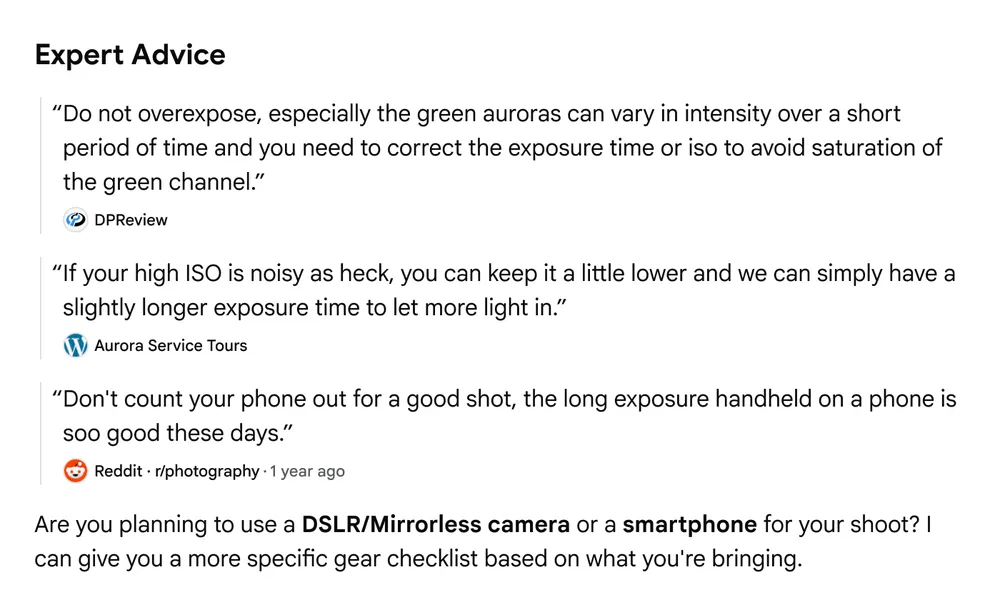
Another major addition focuses on discussion-based content. AI Overviews will now surface excerpts from public forums, creator discussions, and social posts, along with additional context such as usernames, creator handles, or community names. Google said the feature is intended to help users find firsthand experiences and practical advice alongside traditional web sources.
The company is also expanding inline linking throughout AI-generated answers. Instead of grouping citations separately, links will increasingly appear next to specific sections or bullet points inside responses, allowing users to jump directly to supporting sources while reading.
On desktop, Google is introducing hover previews for inline links, giving users a snapshot of a webpage before clicking through. These previews can include the site name or article title to provide more context about where a link leads.
The updates arrive as Google continues refining AI Overviews following criticism over hallucinations and unreliable responses in earlier versions of the feature. The company has increasingly emphasized source visibility and direct connections to web publishers as it pushes AI deeper into Search.
Google said it will continue testing and adjusting how links are shown and ranked inside its AI experiences, including through systems such as query fan-out, which expands searches across a wider set of web sources to identify relevant content.
This analysis is based on reporting from Google.
Images courtesy of Google
This article was generated with AI assistance and reviewed for accuracy and quality.
