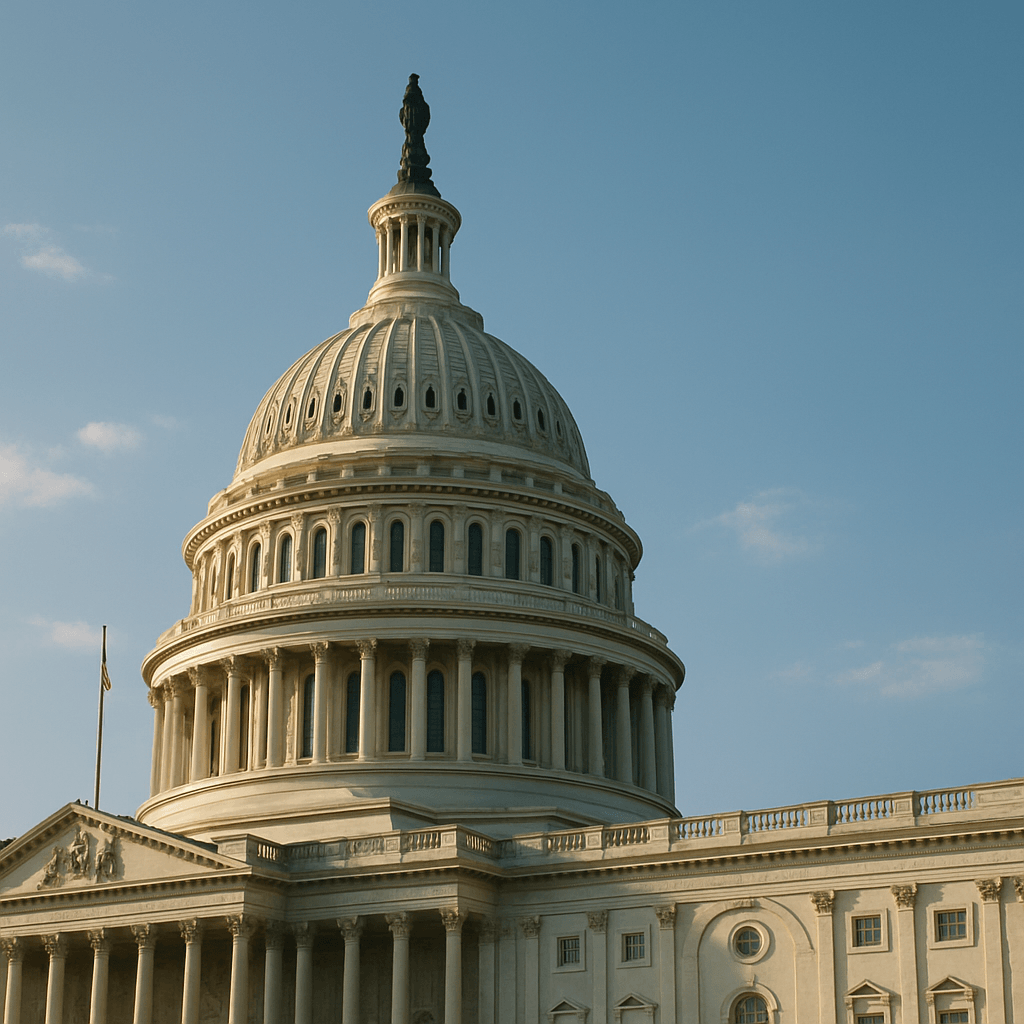
As artificial intelligence reshapes nearly every aspect of modern life, a new political fault line has emerged in the United States: who should be trusted to regulate it. On May 25th, 2025, the U.S. House approved a sweeping proposal embedded in a broader tax and immigration bill that would impose a 10-year moratorium on state-level AI regulation. Supporters frame the move as a necessary shield against a patchwork of conflicting local rules, arguing that a unified federal framework is essential for innovation to thrive. But the decision has sparked immediate and fierce backlash from both sides of the aisle, igniting a national debate over power, accountability, and the urgent need for AI oversight. The moratorium's timing is no coincidence. As generative models and autonomous agents grow in sophistication and risk, states like California and New York have moved quickly to introduce their own guardrails. These include laws aimed at curbing deepfake abuse, AI-generated child exploitation content, and election-related disinformation. Federal lawmakers backing the ban say these efforts, though well-intentioned, risk creating legal chaos and deterring investment in cutting-edge technologies. By centralizing AI governance, they argue, the U.S. can avoid regulatory confusion and present a coherent strategy to the world. Yet critics see something more troubling. They warn that in the absence of a comprehensive federal AI policy—which has yet to materialize—blocking state action could leave a dangerous vacuum. Local governments, often more nimble than Washington, have traditionally led the way on emerging tech regulation. Many now fear this moratorium would paralyze efforts to protect consumers at a time when threats like AI-powered scams and privacy violations are rapidly accelerating. Civil liberties groups and consumer advocates have joined forces with bipartisan lawmakers to oppose the measure, arguing it amounts to preemptive deregulation dressed as innovation policy. Meanwhile, uncertainty looms in the Senate, where the proposal faces procedural hurdles and growing skepticism over its scope and long-term impact. As the legislation inches forward, the nation finds itself at a pivotal crossroads in AI policy. The outcome may not only shape how AI is governed for the next decade but also define whether democratic oversight can keep pace with one of the most disruptive technologies in human history.
Updated Sep 4, 2025Last updated: September 4, 2025
About this article: This article was generated with AI assistance and reviewed by our editorial team to ensure it follows our editorial standards for accuracy and independence. We maintain strict fact-checking protocols and cite all sources.
Word count: 365Reading time: 0 minutes
Explore More AI Resources
Continue with high-value guides related to this topic.