Apple is combining that medical research with its own technology to present complex information in language that everyday users can understand. Responses include links to supporting clinical sources, allowing participants to examine the evidence behind the information they receive.
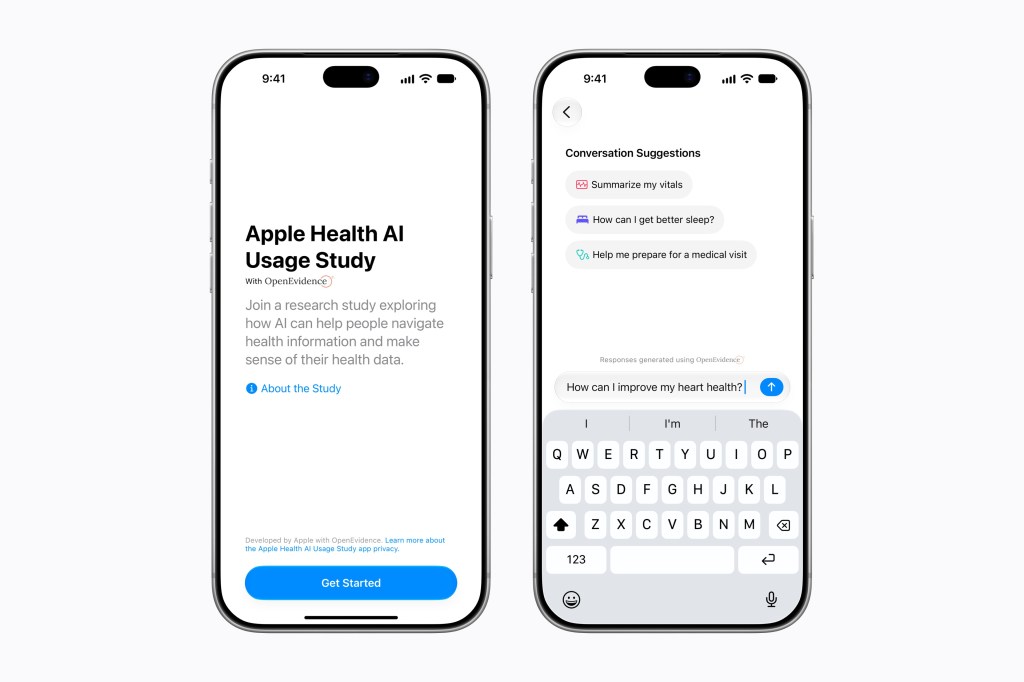
The research comes as more consumers turn to AI for medical questions, even as concerns remain about the accuracy and usefulness of chatbot-generated advice. According to a February 2026 study published in Nature Medicine, AI models correctly identified medical conditions in nearly 95% of controlled clinical cases, while everyday users reached accurate conclusions less than 35% of the time when interpreting the guidance.
Apple wants to investigate that gap by studying how people understand AI responses, what influences their confidence in the information, and whether the tools help them communicate more effectively with healthcare professionals.
"At Apple, we believe responsible innovation starts with scientific rigor and clinical grounding. Health is deeply personal, and conducting a dedicated research study is the most thoughtful way to understand how people engage with, comprehend, and evaluate health AI in everyday life," said Dr. Sumbul Desai, Apple's vice president of Health and Fitness.
Participants can ask questions about general wellness, symptoms, recovery, and other health concerns. They can also choose to share information stored in Apple's HealthKit system, including sleep patterns, physical activity, resting heart rate, and laboratory results, to receive responses that incorporate their personal health data.
For example, someone seeking advice about improving their resting heart rate could receive information informed by their recorded measurements rather than relying entirely on general health recommendations. Sharing personal health information is optional, and participants control which data they provide.
The study will also examine whether AI can improve preparation for doctor visits. Participants may use the app to better understand health concerns before appointments, then provide feedback about whether the information helped them communicate with their healthcare providers.
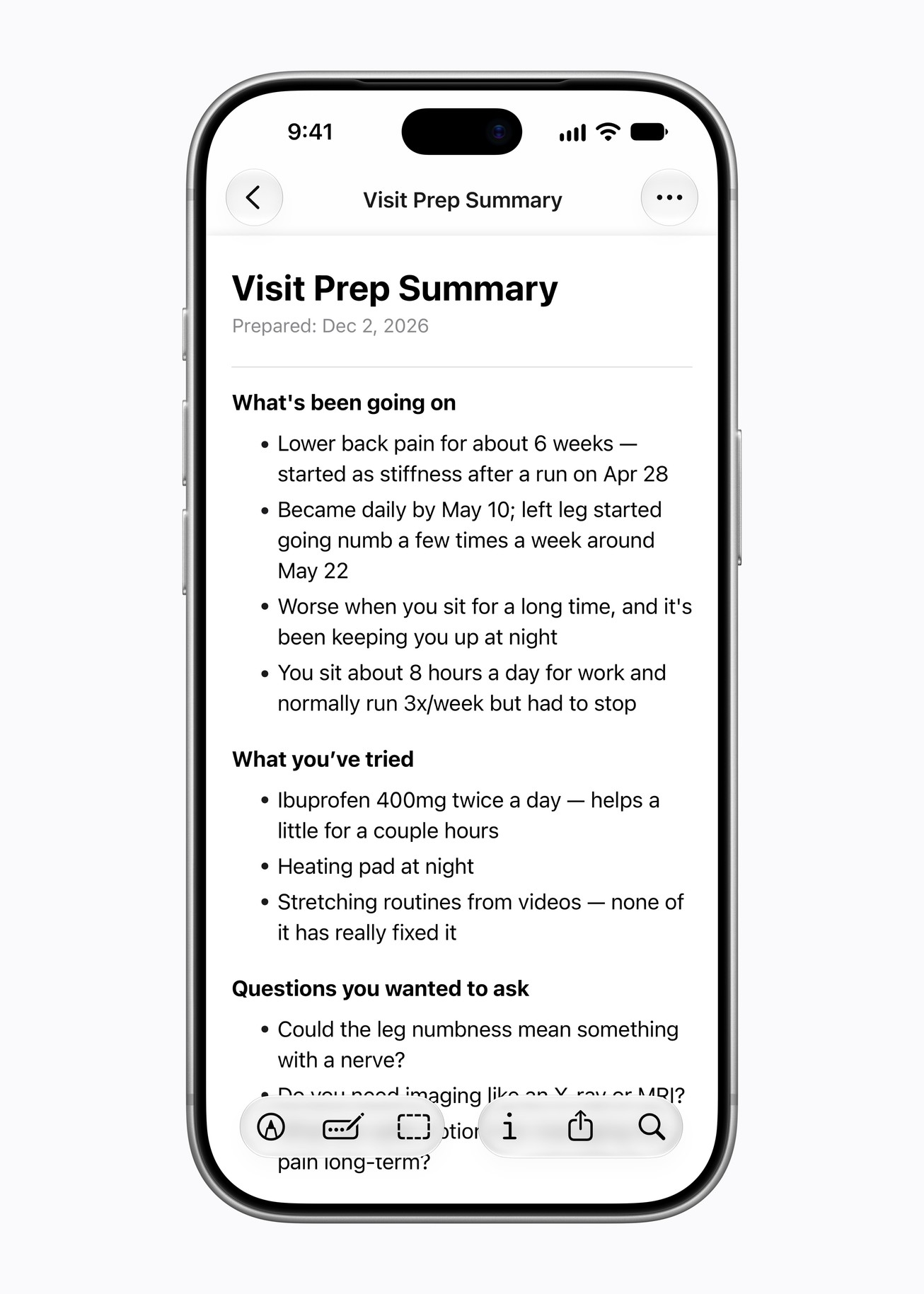
Dr. Robert Wachter, professor and chair of medicine at the University of California, San Francisco, said the research could help connect the AI tools used by patients with those already available to medical professionals.
"When patients and doctors draw on versions of the same trustworthy tools, patients arrive prepared, conversations improve, and next steps happen seamlessly," Wachter said.
Apple plans to collect feedback throughout the study to evaluate response quality, comprehension, and user trust. Participants will rate AI-generated answers and complete surveys about their experiences, including whether the information was clear and useful. The research is expected to run for up to 12 months per participant, with additional questionnaires focused on medical appointment preparation.
Privacy protections are another central component. Apple says questions are processed through systems designed to remove identifying details before they reach OpenEvidence. The information passes through a secure research environment where additional measures separate queries from participant identities.
According to Apple, OpenEvidence will delete questions and responses within 24 hours. Study information will not be used to train AI models, although findings may help guide future product development. Apple researchers will have limited access to coded survey responses and summarized interaction data, with identifying information kept separate.
The app also includes safeguards intended to recognize potentially concerning health questions and direct participants toward medical professionals or other appropriate resources. Apple emphasizes that the system does not provide continuous medical monitoring and is not intended to replace professional healthcare services.
The Apple Health AI Usage Study is open to as many as 200,000 participants in the United States. Eligible users must be at least 21 years old and have an Apple Intelligence-compatible iPhone, starting with the iPhone 15 Pro, running iOS 26 or later.
Interested users can download the Apple Health AI Study app from the App Store and complete an informed consent process before enrolling. Participation includes ongoing feedback and surveys, with users retaining control over whether they share personal health measurements.
The initiative builds on Apple's existing health research programs, which have examined areas including cardiovascular health, hearing, movement, and women's health. Unlike those earlier studies, the latest project focuses specifically on how people interpret and use information generated by conversational AI.
Apple has not announced when the study's findings will be published. The company says it intends to share research insights more broadly, with the goal of informing the development of health AI tools that provide medically supported information while helping patients better understand and manage their interactions with healthcare providers.
This analysis is based on reporting from Apple & ABC News.
Images courtesy of Apple/CNET.
This article was generated with AI assistance and reviewed for accuracy and quality.
