“Truly helpful AI must be centered on our users’ needs, deeply integrated into the products they rely on every day, grounded in personal context, and built with privacy at every step,” said Craig Federighi, Apple’s senior vice president of Software Engineering.
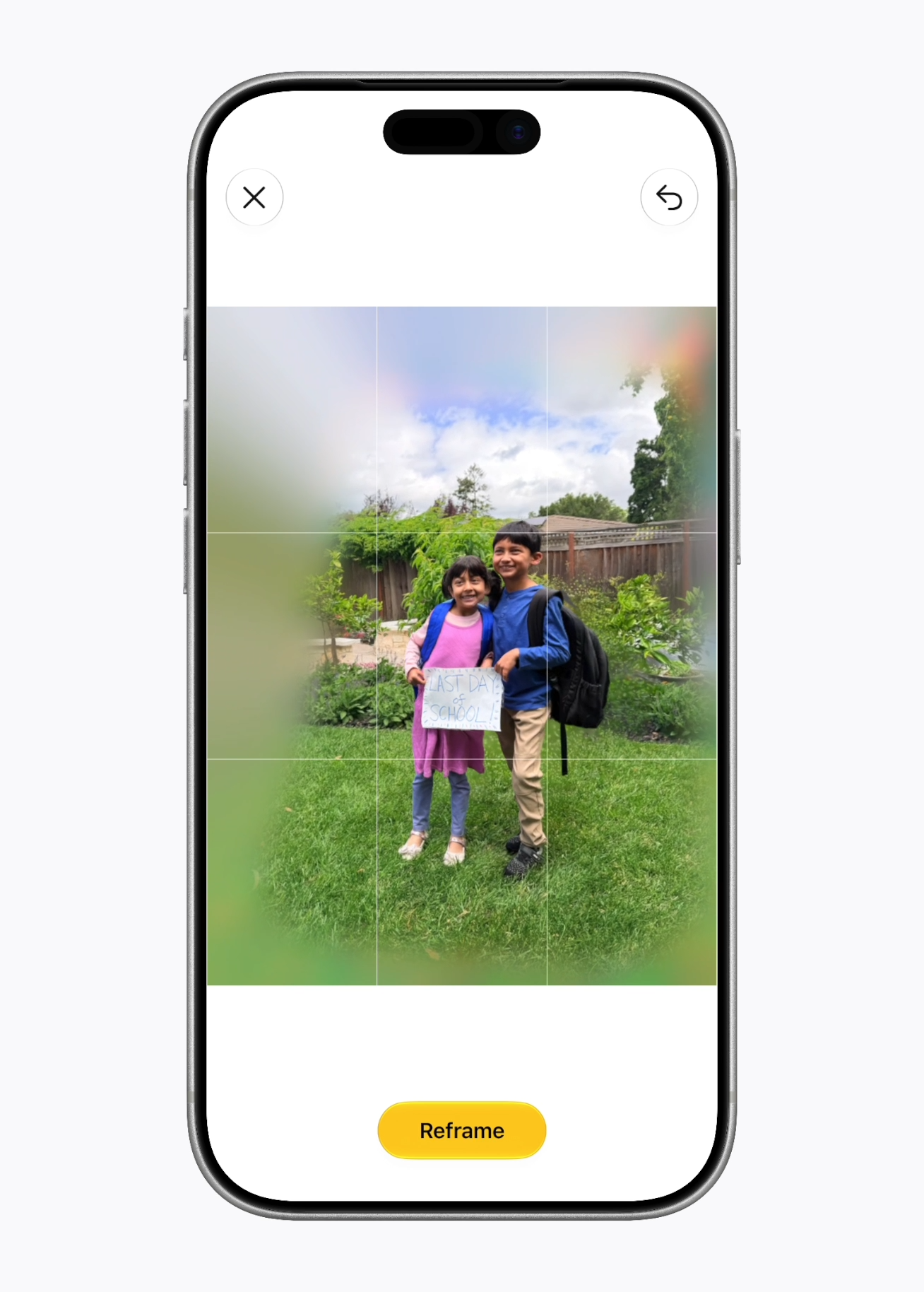
A major focus of the release is expanding AI beyond standalone chat experiences and embedding it directly into everyday applications. In Photos, Apple introduced Spatial Reframing, which allows users to adjust image composition after a photo is taken by changing perspective while preserving the original scene. The company also added an Extend tool that can expand images and upgraded its Clean Up feature for removing unwanted objects. AI-edited images will automatically include a hidden SynthID watermark.
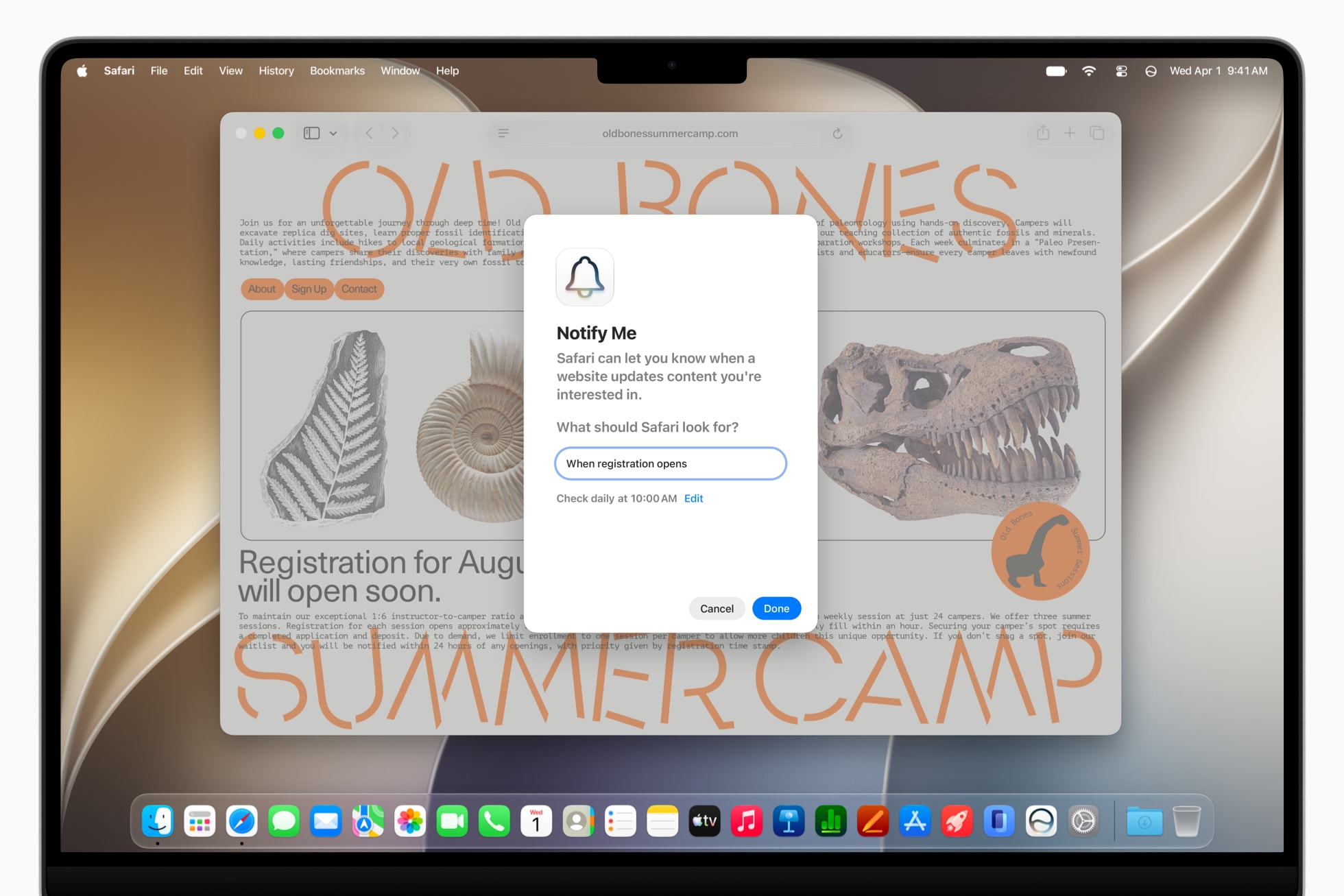
Safari receives several new AI-powered features. Users can automatically organize large collections of tabs into related topics, ask Safari to monitor webpages for updates through a new Notify Me feature, and generate custom browser extensions by describing what they want in natural language. Apple also said the Passwords app can now automatically upgrade eligible accounts to stronger passwords by securely navigating websites on a user’s behalf.
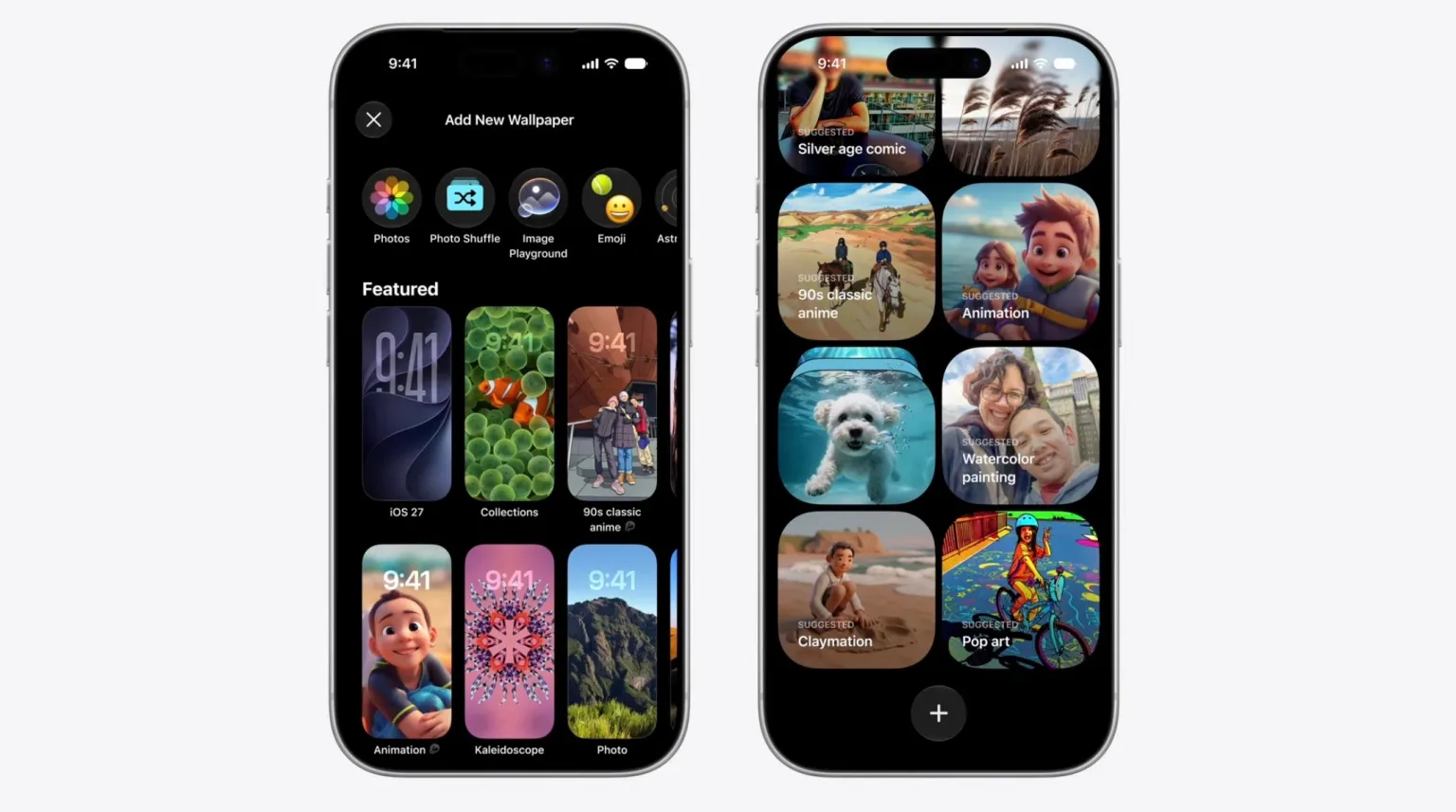
Apple is also significantly expanding Image Playground. The image-generation tool now supports photorealistic image creation using a new model running through Private Cloud Compute. Users can modify generated images by describing changes or selecting objects directly on screen. Generated images will include hidden SynthID watermarks identifying them as AI-generated.
Communication and productivity tools are also receiving deeper AI integration. Messages can surface one-tap actions based on conversation context, such as creating reminders, notes, or locating photos mentioned in a chat. Smart Reply in both Mail and Messages can now reflect a user’s writing style, while Mail suggestions gain support for actions involving third-party applications.

The company also introduced Call Context, which can surface relevant information such as reservation numbers or confirmation codes when users contact businesses. Apple said the feature determines relevance based on who the user is calling rather than the content of the conversation and operates entirely on-device.
Calendar and Shortcuts receive similar natural-language enhancements. Users can create or modify calendar events by describing them, while a new Describe a Shortcut feature can automatically assemble automation workflows based on written instructions.
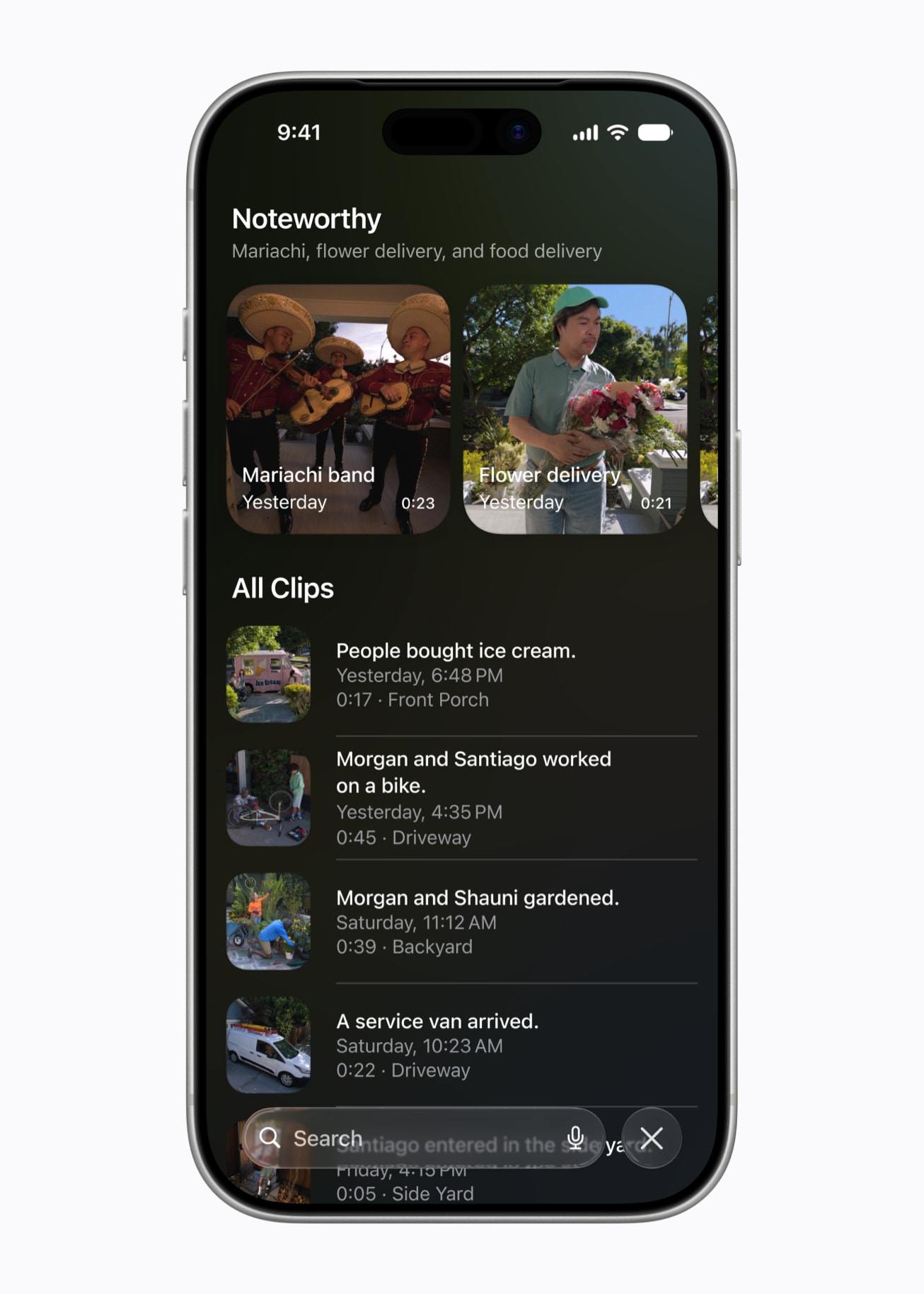
Apple is also bringing AI-powered features to the Home app. The system can group related accessory notifications into a single activity stream, generate descriptions of security camera footage, surface noteworthy clips, and allow users to search through video recordings using natural language.
The broader Apple Intelligence update extends to accessibility tools as well. VoiceOver, Magnifier, Voice Control, and Accessibility Reader all gain new AI-powered capabilities, including richer image descriptions, environment awareness, summaries, and translation features.
According to Apple, the next generation of Apple Intelligence is powered by Apple Foundation Models developed in collaboration with Google and its Gemini models. These systems operate through a combination of on-device processing and Private Cloud Compute, which Apple says prevents personal data from being stored or accessed by Apple when cloud resources are used.
“With useful features for browsing the web, expressing creativity, editing photos, and so much more, today marks a big step forward on our journey to integrate powerful AI into the core of our platforms and make our products even more personal and useful,” Federighi said.
This analysis is based on reporting from apple.
Images courtesy of Apple.
This article was generated with AI assistance and reviewed for accuracy and quality.
